

Water leaks rarely announce themselves clearly at the start. A slow drip behind a vanity, a pinhole in a copper line, or a hairline crack in a supply hose can quietly add up to staining, swelling wood, and mold-friendly moisture before anyone notices. Smart leak detection systems were designed to bridge the gap between the first leak and the first visible symptom. Plumbing services use these tools to pinpoint problems earlier, confirm the source with data, and reduce the time spent cutting open walls or guessing which fixture is responsible. Instead of relying solely on visual cues, technicians can combine sensor alerts, flow patterns, and pressure behavior to make decisions with greater confidence. For homeowners and property managers, this means fewer surprises, faster isolation of trouble areas, and clearer documentation for repairs. The technology is not a replacement for sound plumbing work, but it changes the timeline by shifting discovery earlier, when damage is easier to limit, and repairs stay smaller.
How smart detection fits into modern plumbing
-
What these systems measure and why it matters
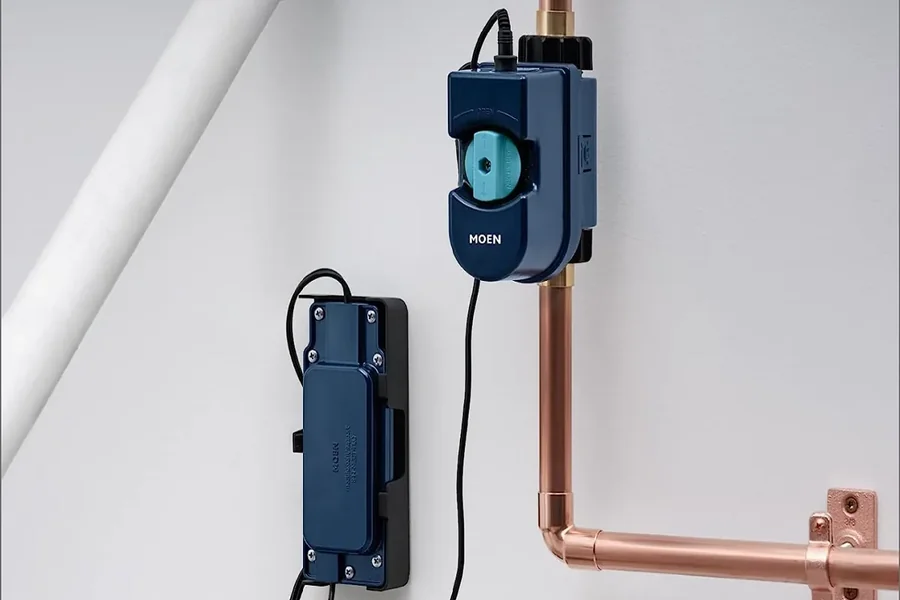
Smart leak detection generally falls into a few categories, and plumbing teams often use them together. Point sensors are small devices placed near water heaters, under sinks, behind toilets, or near washing machines to detect standing water. Whole-home shutoff monitors are installed on the main line and track flow rate, pressure changes, and usage patterns, then send alerts when behavior appears abnormal. Some systems add temperature sensing, which can help detect freeze-risk conditions that lead to burst pipes. Others integrate with Wi-Fi or cellular networks, so alerts reach owners even when the building is empty. For plumbing services, this information becomes a map of what happened and when. A steady low flow overnight can suggest a running toilet or a small supply leak. A sudden spike can point to a failed hose. Repeated pressure drops can indicate a valve or line problem. Many companies that brand themselves as Reliable Plumbers in the Vancouver, WA, Area use these system readouts to support their recommendations, showing customers the data trail that matches the repair they propose and the urgency level.
-
How plumbing teams deploy sensors during service calls
During a leak-related call, a plumbing crew may begin with basic isolation steps, then bring smart tools into the process to narrow the search. If the problem is visible, a point sensor might be used temporarily after repairs to confirm the area stays dry, especially around water heaters, sump pits, or appliance connections. For hidden leaks, whole-home monitors offer another advantage: they can confirm whether water continues to flow through the system after all fixtures are off. That simple confirmation often decides whether the next step should be fixture checks, valve testing, or targeted inspection behind walls. Some services install temporary sensors during troubleshooting for properties with repeat incidents, such as older multi-unit buildings where small leaks can migrate between floors. Plumbing teams also use smart monitors after major repairs to watch system stability, particularly when new valves, pressure regulators, or sections of piping are installed. This post-repair monitoring helps catch loose fittings, shifting pipe supports, or pressure anomalies that could lead to future failures.
-
Detecting the difference between normal use and a real leak
One reason leak detection can be tricky is that normal water use is not consistent. Dishwashers cycle, ice makers refill, irrigation systems run early, and many homes have water softeners that regenerate on a schedule. Smart detection systems learn these patterns over time or allow manual scheduling, so alerts focus on truly unusual behavior. Plumbing services often help homeowners set thresholds that match the building. A small single-family home might quickly flag low continuous flow, while a commercial space might require a higher tolerance due to baseline use. Pattern recognition is also important for avoiding false alarms that make people ignore alerts. A well-configured monitor can distinguish between a shower and a running toilet, or between a brief spike from a washing machine fill and a sustained flow that suggests a failed supply line. When the system includes an automatic shutoff valve, plumbers may set staged responses, such as alert-only for minor anomalies and auto-shutoff for major continuous flow events. That balance reduces disruption while maintaining strong protection.
A clear path to earlier warnings and calmer repairs
Smart leak detection systems help plumbing services catch problems sooner, identify the source using measurable signals, and reduce the guesswork that often leads to larger openings and longer repairs. By tracking flow, pressure behavior, and water presence in high-risk locations, these systems provide alerts before staining, swelling, or mold becomes the first clue. When paired with automatic shutoff valves, they can also limit damage by quickly stopping a major leak, even when no one is home. The value increases when the system is configured to match real household patterns, maintained as other safety equipment is, and combined with practical plumbing improvements that reduce risk. For homeowners, the result is fewer surprise disasters and more control over how water behaves inside the building. For plumbing services, the technology supports faster diagnosis, clearer communication, and repairs that focus on the true source rather than chasing symptoms after damage has already spread.