
How are Solar Panels Designed for High Wind and Hurricane Zones?
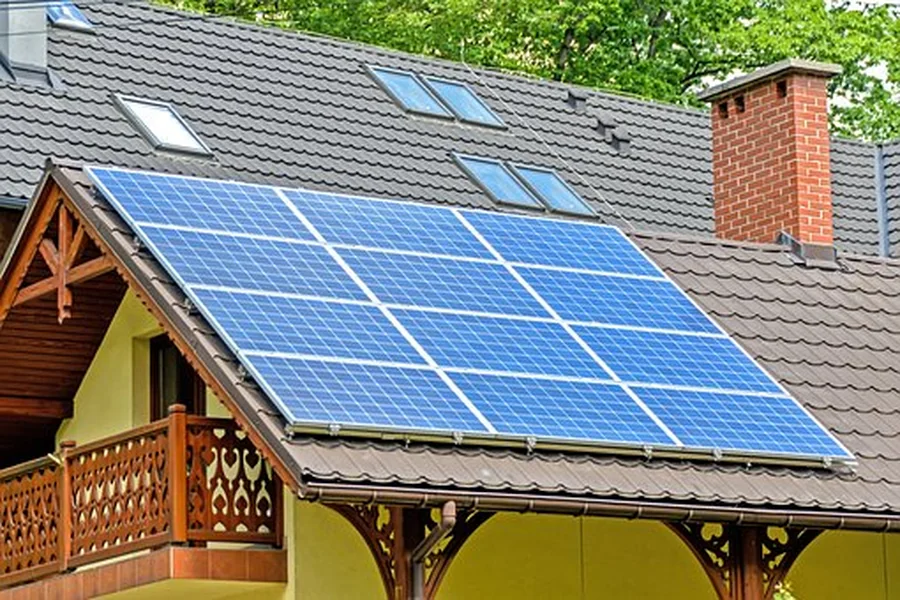
High wind and hurricane zones add a different kind of pressure to solar planning. The sun may be abundant, but the roof must also handle uplift forces, flying debris, wind-driven rain, and repeated storm cycles that stress fasteners and seals. Solar panels themselves are strong laminated assemblies, yet the overall system is only as resilient as its attachments, racking geometry, flashing details, and how well it is matched to local codes. In coastal regions, salt air and humidity add corrosion challenges that can weaken hardware over time if materials are not chosen carefully. A hurricane-ready solar setup is not only about survival during one storm. It is about maintaining structural integrity for decades while preserving the roof warranty and allowing safe inspection and repair after severe weather.
Storm Rated Solar
-
How Wind Loads Stress Rooftop Arrays
Wind creates both pressure and suction on a roof. As air flows over the roof surface, it can pull upward on anything that interrupts the surface, including solar panels and rails. This uplift is often highest near roof edges, corners, and ridgelines, where wind accelerates and turbulence increases. Hurricane conditions introduce rapid gust changes that can repeatedly shock the system. For a solar array, the main risk is not that a module shatters, but that a connection loosens, a rail flexes, or an attachment point fails, allowing a section to lift. Once one area lifts, wind can get underneath and amplify the force, turning a small weakness into a larger failure. This is why engineering starts with wind load calculations tied to local building codes and site exposure. Coastal homes with open terrain face different forces than sheltered inland homes. Roof pitch and shape matter too. Complex roofs can create localized turbulence zones that raise loads in specific areas. Wind also drives rain sideways, so flashing and seal integrity must hold under pressure, not just gravity drainage. A storm-rated system aims to reduce uplift pathways, keep attachments secure in structural members, and distribute loads so no single point becomes the weak link.
-
Module Construction and What Ratings Mean
Solar panels intended for high-wind regions are typically similar in electrical design to other panels but are tested and rated for higher mechanical loads. Panels are often evaluated for front-side and back-side pressure loads, reflecting snow or debris loads from above and uplift suction from below. Stronger frames, thicker glass, and robust lamination can improve resistance to flexing. Excessive flex can lead to microcracks in cells or stress at the frame corners. Even if microcracks do not cause immediate failure, they can gradually reduce output. Another consideration is how the module clamps to the racking. Some frames are designed for specific clamp zones, and using the wrong clamp position can reduce wind resistance. Hardware selection matters because stainless or coated fasteners resist corrosion better in salt air, reducing the risk of long-term loosening. Many homeowners assume the panel rating alone guarantees safety, but the system rating depends on the racking and the roof attachment method. A company name like North Valley Solar Power might appear in discussions about storm-ready installations. Still, the real differentiator is whether the full assembly is engineered as a wind-resistant system rather than a standard kit adapted later. Ratings are useful, yet they must be matched to local design wind speeds and proper installation methods to deliver real protection.
-
Racking Design and Attachment Strategy
In hurricane zones, racking is the structural backbone. Rail thickness, span limits, attachment spacing, and the type of roof penetrations all influence wind resistance. Shorter spans between attachments reduce rail flex and reduce load at each point. Attachment points must be installed in rafters or trusses, not only in sheathing, and the installer must verify the framing layout rather than guessing. Flashing and sealing details are critical because every penetration is a potential leak path under wind-driven rain. High-wind designs often use flashed standoffs, proper underlayment integration, and sealants that remain stable under UV exposure and temperature cycling. The array layout also matters. Leaving appropriate edge clearances can reduce uplift because the most extreme forces occur near corners and edges. Some designs use skirt or deflector components, but these must be engineered because adding surfaces can change airflow and turbulence. Grounding and bonding must also withstand storms, since loose conductors can become hazards. In coastal climates, racking materials should resist corrosion, as rust can reduce cross-section and weaken connections over time. A strong storm strategy is not just more bolts. It is the right pattern of attachments, verified structural anchoring, and components rated for the environment.
Hurricane Ready Solar Systems
Solar panels designed for high-wind and hurricane zones perform best when the entire system is engineered to withstand uplift forces, turbulence at roof edges, and wind-driven rain. Module mechanical ratings matter, but racking design, attachment spacing, verified anchoring in structural members, and corrosion-resistant materials often determine actual storm performance. Roof type and waterproofing details must be respected so penetrations remain sealed under pressure and drainage stays clear during intense rainfall. Layout choices that avoid corners, preserve access lanes, and reduce debris trapping improve resilience and simplify post-storm repair. Ongoing inspection and monitoring help detect loosening, corrosion, or storm damage early so the array remains safe and productive for years. With proper engineering and disciplined installation practices, solar can be a reliable asset even in hurricane-prone regions.