
The Role of Coffee Tables in Building a Comfortable and Stylish Living Space
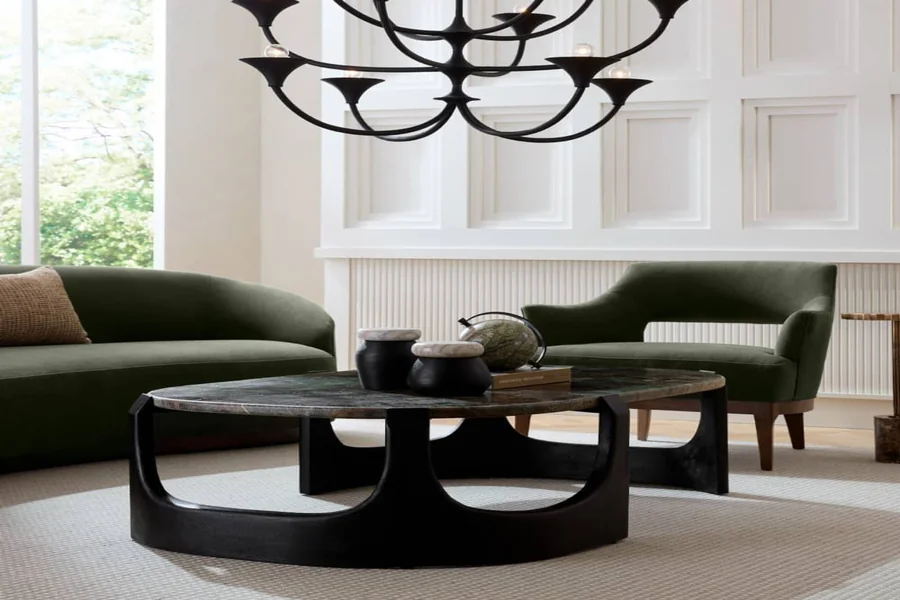
A living room often becomes the heart of the home. It is where people gather, relax, and spend time together. While sofas and rugs tend to draw early attention, the coffee table plays a quiet yet central role in shaping how the space feels and functions. Choosing the right piece, such as thoughtfully designed high end coffee tables, can help bring the entire room together in a natural and useful way.
A Natural Focal Point for Everyday Living
A coffee table sits at the center of the seating area, which makes it one of the most visible pieces in the room. Its position gives it the ability to guide the overall look and feel of the space. A well-chosen table can anchor the layout and create a sense of order without drawing too much attention.
At the same time, it supports daily life. It holds books, drinks, and small items that people reach for often. This mix of form and function makes it a key part of any living room setup. When the table feels right, the entire room feels easier to use and more inviting.
Bringing Balance Between Soft and Solid Elements
Living rooms often rely on a mix of textures. Soft elements like cushions, throws, and curtains add comfort, while harder surfaces such as wood, metal, or glass provide structure. A coffee table sits right between these layers and helps tie them together.
For example, a wooden table can warm up a space filled with soft fabrics. A glass surface can keep the room feeling open when there are many plush elements around. The goal is to create a balance that feels calm and cohesive.
This balance becomes even more important in spaces that include a variety of materials. A thoughtful table choice can connect these elements in a way that feels smooth and intentional.
Supporting a Comfortable Layout
The placement and size of a coffee table influence how people move through the room. A table that fits well within the seating area allows for easy conversation and simple movement. It should feel close enough to reach, yet not so close that it limits space.
Shape also plays a role. Round tables can soften the look of a room and make movement easier, especially in smaller spaces. Rectangular tables can align well with longer sofas and provide more surface area. Each option offers its own advantages, depending on how the room is used.
When the layout works well, the space feels more relaxed. People can settle in without thinking about where to place things or how to move around.
A Place for Personal Expression
A coffee table offers a simple way to reflect personal style. It can hold a few carefully chosen items that add character to the room. Books, trays, candles, or small decorative pieces can all create a sense of warmth.
The key is to keep things thoughtful and uncluttered. A few items placed with care can feel more inviting than a crowded surface. This approach allows each piece to stand out while still feeling part of a whole.
It also gives the room a lived-in feel. The table becomes more than a surface, it becomes part of the story of the home.
Enhancing Light and Visual Flow
The surface and finish of a coffee table can influence how light moves through the space. Lighter materials can help reflect natural light, making the room feel brighter. Darker finishes can add depth and create a grounded look.
In rooms with many soft furnishings, a table with a smooth or reflective surface can add contrast. This contrast helps keep the space from feeling too heavy. It also creates visual interest without adding more objects.
A well-placed table can guide the eye across the room. It helps connect different areas and keeps the design feeling open and connected.
Adapting to Different Lifestyles
Every home has its own rhythm. Some living rooms see frequent gatherings, while others serve as quiet places to relax. A coffee table can adapt to these different needs.
In busy homes, durability and easy care matter. In quieter spaces, design details may take center stage. Some tables offer extra storage, which can help keep the room tidy and organized.
This flexibility makes the coffee table a practical choice as well as a design feature. It can grow with the needs of the household and continue to serve a purpose over time.
Creating a Space That Feels Complete
A living room comes together through layers. Furniture, textiles, lighting, and small details all play a part. The coffee table sits at the center of these layers and helps connect them in a natural way.
When chosen with care, it supports both style and comfort. It makes the room easier to use and more pleasant to spend time in. It also provides a simple way to bring different design elements into harmony.
In the end, the right coffee table does more than fill a space. It helps create a living room that feels complete, welcoming, and ready for everyday life.