

Office relocations involve much more than just transporting desks, chairs, and filing cabinets. One of the most time-consuming and delicate aspects of the move involves handling the network of cables connected to computers, monitors, printers, telephones, servers, audiovisual equipment, and other electronic devices.
Poor cable management during a move can result in damaged equipment, extended downtime, and unnecessary disruption to business operations. For this reason, many businesses rely on professional movers who are experienced in office relocations to manage the process efficiently. For example, one of the biggest challenges is the large number of interconnected devices found in modern offices. A single workstation may include multiple monitors, a desktop computer or docking station, a keyboard, a mouse, a headset, external storage devices, charging cables, and network connections. Meeting rooms may contain projectors, display screens, speakers, video conferencing systems, and presentation equipment. Without a clear organization plan, disconnecting these systems can make reinstallation slow and confusing.
How do movers help with cable management?
Professional Calgary office movers typically start by labeling cables and equipment before disconnecting anything. Each cable is matched with its corresponding device and workstation. This allows the equipment to be reassembled correctly at the new office. Proper labeling significantly reduces the time employees spend reconnecting computers and troubleshooting missing or incorrectly connected cables after the move.
Another important consideration is protecting electronic equipment during transport. If they are not bundled properly, loose cables can become tangled, stretched, or damaged. Professional movers typically secure cables using reusable ties or protective wraps and pack them with the appropriate equipment whenever possible. This reduces the risk of connectors breaking or cables becoming misplaced.
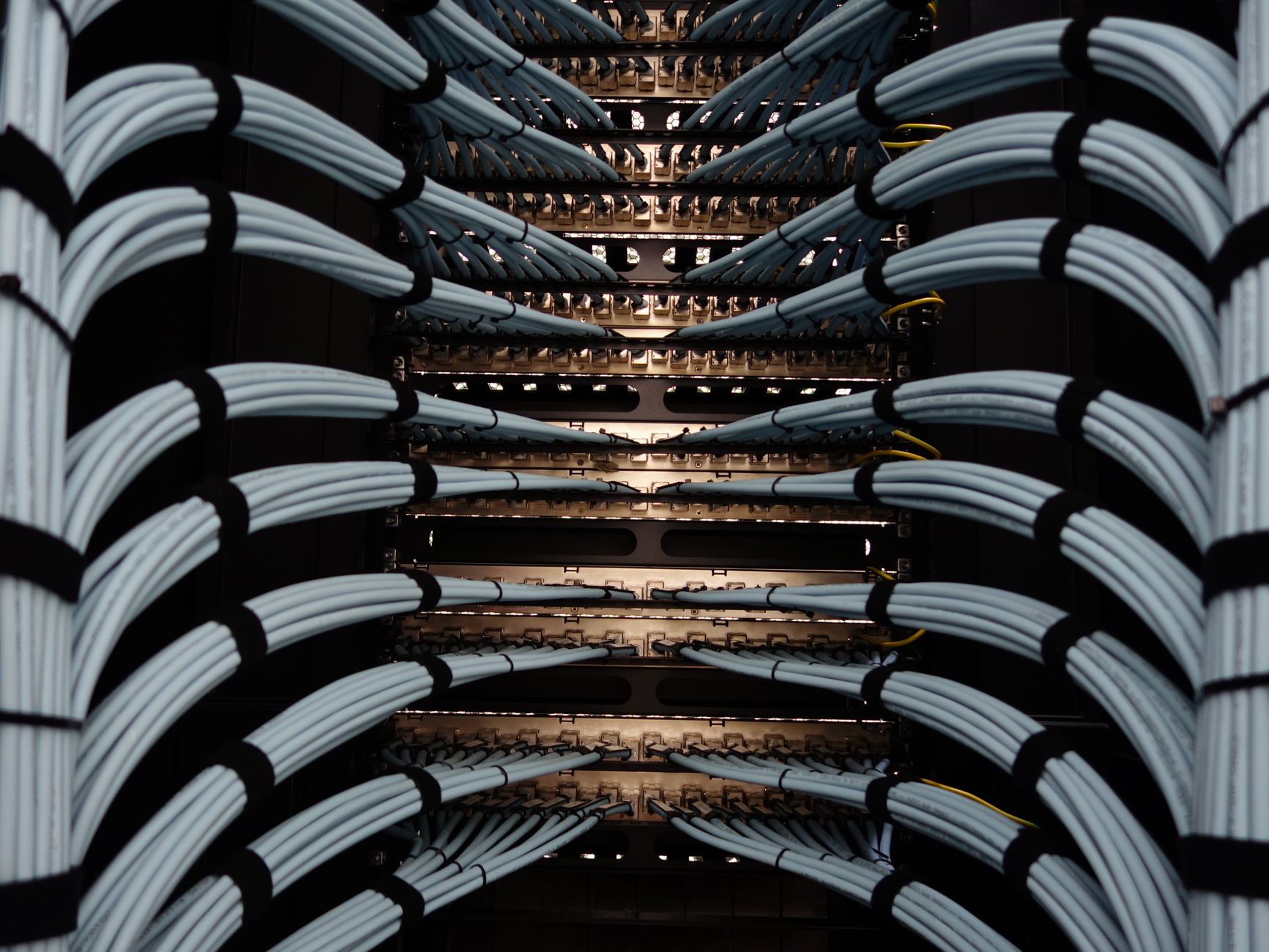
Many offices contain network infrastructure that requires careful handling. Switches, routers, servers, patch panels, communication racks, and other networking equipment often support an entire organization's daily operations. Although IT specialists are usually responsible for disconnecting, configuring, and reconnecting these systems, professional movers carefully pack, transport, and position the equipment according to the relocation plan. This minimizes the risk of physical damage and ensures an efficient office setup.
Advantages of working with professional office movers
- Cable management promotes workplace safety. During a move, it is not uncommon for dozens or even hundreds of cables to cover the floor temporarily while equipment is being disconnected. Without proper organization, these cables can create tripping hazards for employees and moving crews. Professional movers follow systematic procedures that keep work areas organized and reduce the likelihood of accidents.
- When equipment, cables, and accessories are organized by department or workstation, employees can resume work much sooner after arriving at the new office. Rather than searching for missing power cords or network cables, staff can reconnect equipment according to the established labeling system, thereby reducing downtime and improving operational continuity.
- Professional movers understand the importance of protecting office interiors when removing and installing cables. Cables routed through desks, cable trays, floor channels, furniture systems, or under raised flooring often require careful removal to prevent damage to office furniture, flooring, walls, and built-in fixtures. An organized approach helps keep workspaces tidy and reduces the likelihood of accidental damage during relocation.
Although IT professionals are responsible for configuring networks and ensuring that computer systems function correctly, professional office movers play an essential role in organizing, protecting, transporting, and repositioning the extensive cabling associated with modern workplaces.