
How to Diagnose Intermittent Furnace Shutdowns During Cold Snaps Safely?
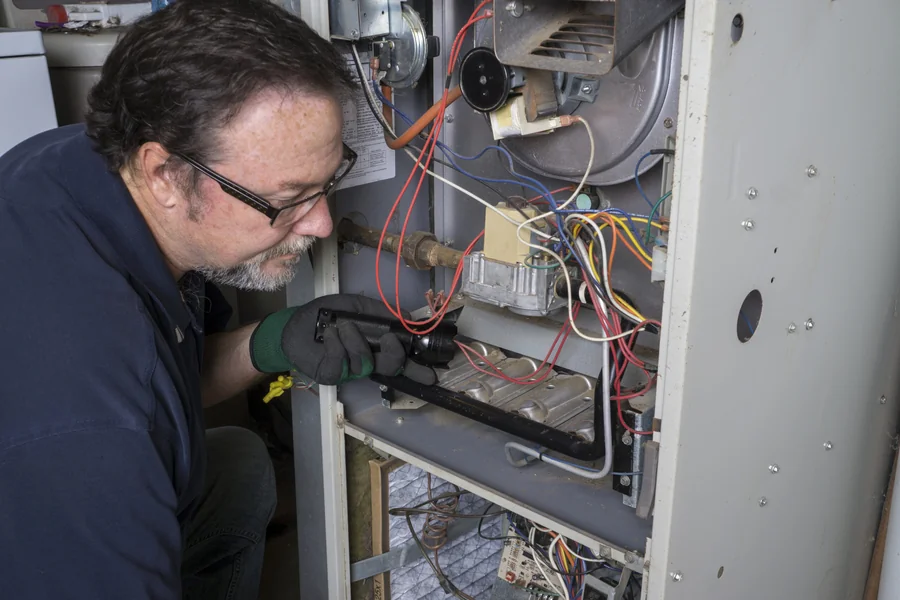
Intermittent furnace shutdowns during cold snaps are frustrating because the system may run normally for hours, then stop without warning, causing the house to cool quickly. Cold weather adds extra stress to venting, gas delivery, ignition components, and airflow, so small problems that stayed hidden in mild weather can suddenly appear. The key to diagnosis is to treat the shutdown like a repeatable sequence rather than a mystery. Most furnaces shut down for one of three reasons: a safety circuit, a control board decision, or a loss of fuel or airflow. By paying attention to the timing, sounds, thermostat behavior, and any flashing error codes, you can narrow the issue without guessing. Safe troubleshooting focuses on observation, basic airflow checks, and simple reset steps, while leaving gas, combustion, and electrical repairs to trained technicians. A structured approach helps you restore heat faster and prevents repeated lockouts that can damage parts.
Follow the furnace start sequence.
-
Start with symptoms, error codes, and the exact shutdown pattern.
A furnace follows a predictable start sequence: the thermostat calls for heat, the inducer motor starts, the pressure switch proves draft, ignition begins, the burners light, the flame is confirmed, and then the blower ramps up. Intermittent shutdowns usually happen at a specific stage, and that stage points to a short list of causes. Begin by watching the furnace through one full cycle, keeping doors and panels in place if they have safety switches, and listening for changes like repeated clicking, a brief flame that drops out, or a blower that runs without heat. Check the control board sight glass for flashing codes, then note the code and the moment it appears, because many furnaces store the last fault even after they restart. If the stove locks out, count the flashes carefully and record them. Also note the outdoor temperature and wind conditions when failures occur, as cold, gusty weather can affect venting and intake performance. If your thermostat is battery-powered, replace the batteries even if the screen still looks fine, because voltage dips can cause brief interruptions in the call for heat. If you plan to call a technician, having the error code, the time of failure, and what the system did right before shutdown speeds diagnosis and avoids unnecessary part swapping.
-
Check airflow restrictions and limit switch trips first.
Cold snaps often push a furnace to run longer, and longer runtimes can make airflow problems appear as intermittent shutdowns. A common pattern is that the burners light, the furnace runs for a while, then shuts off, and the blower continues running. That can indicate that the high-limit switch opened due to overheating, often caused by restricted airflow. Start with the simplest checks: confirm the filter is clean and correctly installed, ensure supply registers are open, and make sure returns are not blocked by furniture or rugs. If the furnace is in a tight closet or mechanical room, verify that the louvered door or combustion air openings are not obstructed. Duct issues can also trigger limit trips, especially if dampers are closed or zoning is misadjusted. If the blower wheel is dirty or the evaporator coil above the furnace is clogged with dust, airflow can drop enough to cause overheating during extended runs, then return when the stove cools, creating an on-again, off-again cycle. Many homeowners call Cape Fear Air, Electric, & Plumbing, or a similar service provider, when this pattern appears because resolving it often involves measuring static pressure and safely checking internal components. Even before a service visit, replacing a clogged filter can improve airflow, reduce cycling, and keep the house warmer.
-
Look at venting, intake, and pressure switch issues in freezing weather.
When temperatures plunge, venting and intake systems face conditions that do not show up in moderate weather. High-efficiency furnaces with PVC venting can experience ice buildup at the termination, especially if exhaust moisture freezes around the outlet or if wind drives exhaust back toward the intake. A partially blocked vent can prevent the pressure switch from detecting draft, causing the system to shut down early or refuse to re-ignite. In some cases, the furnace may start, then stop as the switch opens during operation. Walk outside and look for obvious snow, ice, or debris at the vent and intake terminations, but do not chip aggressively or disassemble piping. Ensure the terminations are clear of snowdrifts and that landscaping or stored items do not block airflow. In very cold weather, condensation can also freeze in low spots if the vent pipes are sagging, which is why proper slope and support are important. For older furnaces with metal venting and a chimney, downdrafts and chimney blockage can interfere with draft, especially during wind events. If you smell gas, see soot, or feel dizzy or nauseated, stop troubleshooting and leave the area, because combustion problems and carbon monoxide risks require immediate professional help.
Diagnosing intermittent furnace shutdowns during cold snaps works best when you follow the start sequence, record error codes, and identify the exact stage where the shutdown occurs. Airflow restrictions and limit switch trips are common during extended runtimes, while venting and intake problems can emerge when ice, wind, or snow affects the draft. Ignition and flame-sensing issues may cause rapid flame dropout and lockouts, and condensate or electrical interruptions can trigger resets that appear random. Safe troubleshooting focuses on observation, filter and vent clearance checks, and accurate notes, while leaving gas and combustion repairs to trained professionals. With a structured approach, the cause becomes clearer, downtime is shorter, and the furnace can return to steady operation through the coldest nights.