
Why Your Pet’s Annual Vet Visit Is One of the Most Important Health Decisions You Can Make
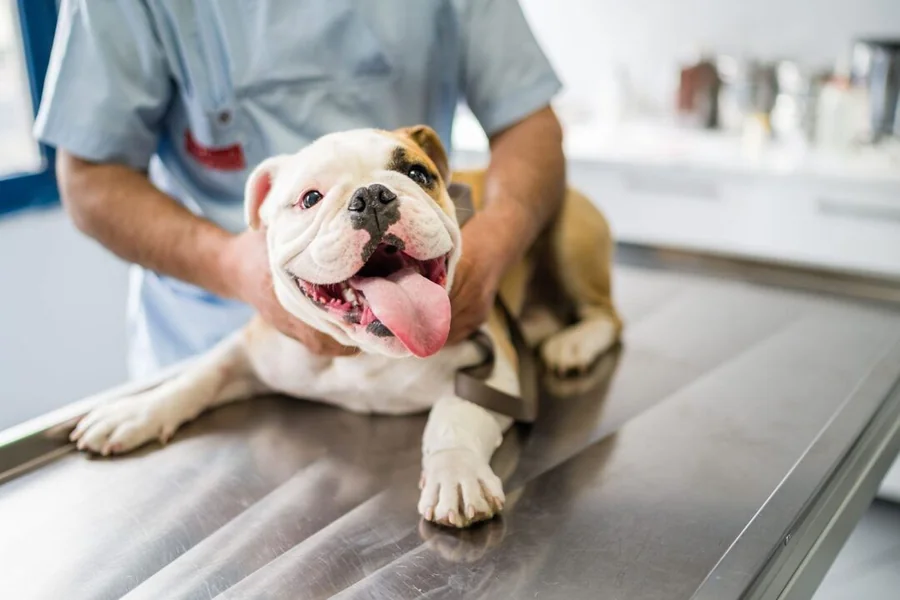
We think carefully about our own health — scheduling check-ups, tracking symptoms, researching specialists. But for many pet owners, veterinary visits happen reactively: when something is visibly wrong. Shifting that mindset from reactive to proactive can be one of the most impactful things you do for an animal in your care, and it starts with understanding what routine veterinary care actually involves and why it matters so much.
Preventive Care Catches Problems Early
The most compelling case for regular vet visits is early detection. Many conditions that are life-threatening when caught late — dental disease, kidney issues, heartworm, certain cancers — are highly manageable when identified in their early stages. An annual or bi-annual examination gives a veterinarian the chance to assess your pet holistically: weight, coat condition, dental health, joint mobility, organ function through blood panels, and more.
For younger, healthy pets, this may seem like overkill. But the baseline data gathered during routine exams becomes invaluable over time. When a vet can compare your dog’s kidney values at age three with values at age seven, subtle changes that might otherwise go unnoticed become visible — and actionable — early.
Vaccinations and Parasite Prevention
Beyond examinations, routine vet visits are the primary mechanism through which pets stay current on vaccinations and parasite prevention. Vaccines protect against diseases like rabies, distemper, parvovirus, and bordetella — conditions that can spread rapidly between animals and, in some cases, pose risks to humans. Parasite prevention covers heartworm, fleas, ticks, and intestinal parasites, all of which carry risks well beyond discomfort.
The schedules for these interventions vary by species, age, lifestyle, and geography, which is exactly why professional guidance matters. A good veterinarian will tailor your pet’s care plan to their specific risk profile rather than applying a blanket protocol.
Just as we invest in the right gear to protect ourselves during physical activities — something we covered in our look at how walking boots support long-distance hiking — proactive investment in your pet’s health pays dividends far into the future.
Finding a Vet You Can Trust
The relationship between a pet owner and their veterinarian is built over time. Consistency matters: a vet who has seen your dog every year for five years understands their individual baselines, temperament, and history in a way a first-time examiner simply cannot. That continuity of care is especially important as pets age and health management becomes more complex.
For pet owners in South Florida, the team at the Pinecrest vet clinic offers comprehensive care across preventive, diagnostic, and urgent needs — with a focus on making both pets and their owners genuinely comfortable throughout the process. Finding a clinic you trust and returning to it consistently is far better than shopping around every time your pet needs attention.
Dental Health: The Overlooked Priority
Most pet owners are surprised to learn that dental disease is one of the most common conditions vets see, and that it can have serious downstream effects on kidney, liver, and heart health. Bacteria from periodontal disease enter the bloodstream and can damage organs over years. Yet because pets can’t tell us their teeth hurt, dental problems often go untreated until they’re significant.
Regular vet visits typically include a dental assessment, and many clinics offer professional cleaning under anaesthesia for animals requiring more than a visual inspection. Building dental care into your pet’s routine is one of the simplest ways to extend both their quality and length of life.
Wellness as a Lifestyle, Not a Crisis Response
We’ve seen this shift in human health and wellness contexts — the move toward proactive, lifestyle-integrated care rather than emergency-driven intervention. The same philosophy applies to pets. As explored in our feature on the growing importance of holistic beauty and wellness in modern lifestyles, genuine wellbeing comes from consistent, personalised attention — not sporadic panic.
Your pet depends entirely on you to make these decisions for them. Choosing to prioritise regular veterinary care is one of the clearest expressions of responsible ownership — and one of the most reliable ways to give your animal a long, healthy, comfortable life.