

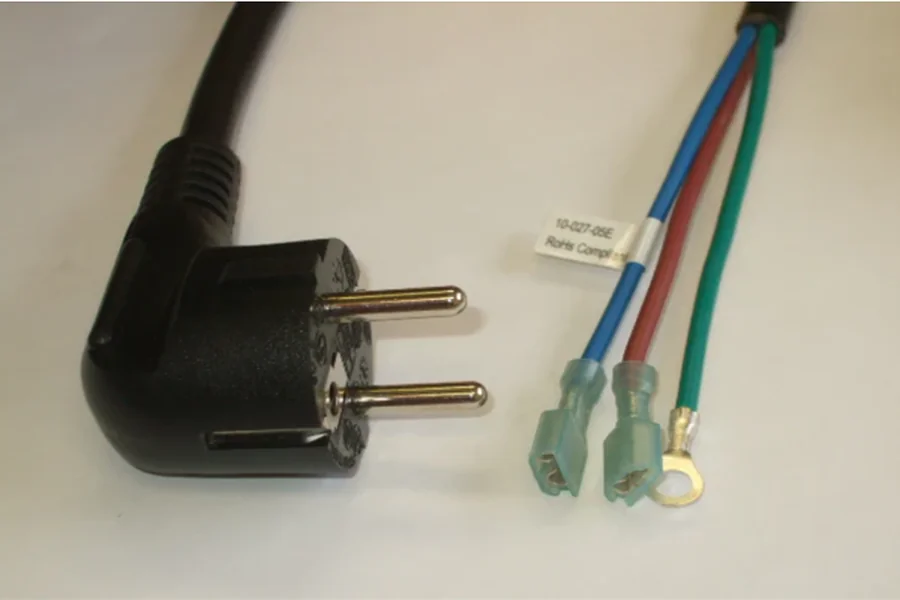
When your cable organization is not well designed, cable management can be a frustrating experience. Outward-looking plugs and moving wires can easily clutter your space and make it hard to handle. This not only influences the overall look but also increases the time spent on the daily chores such as cleaning, organizing, and changing connections.
In order to deal with this problem, the design of your power connection is important. Right-angle power strips are created to guide cords in a more controlled direction right from the outlet. They do not allow the cables to spread out, but bring everything nearer to the surface, making it easier to organize. Such a basic design enhancement provides a more functional and organised arrangement, enabling you to handle cables with less effort and have a tidy setup.
The following are some of the ways in which this design enhances cable management in a practical manner.
1. Keeps Cables Flat Against Walls for Cleaner Setup
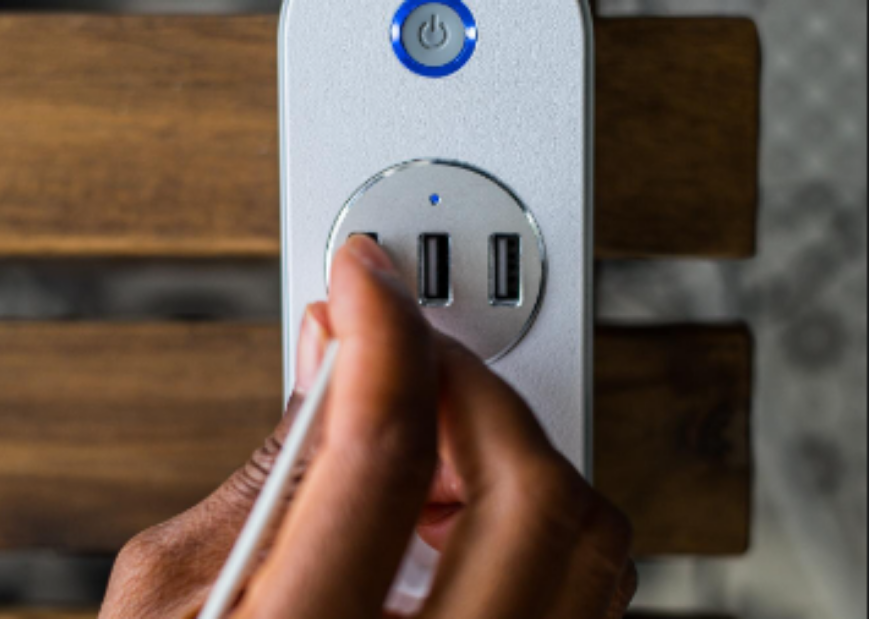
When you use a right angle power strip, the cable runs parallel to the wall rather than sticking out into an empty space. Such a simple modification assists in regulating the distribution of wires across your system. Consequently, cables remain nearer to the surface and do not move unnecessarily.
Due to this reason, your composition looks more balanced and aesthetically clean. The wires no longer stand out or create a distraction in the surrounding area. Rather, they have a clear and consistent direction that helps to make the whole space more organized and manageable.
In addition, this layout allows you to place furniture or equipment closer to the wall without obstruction. You do not need to leave extra space for plugs that extend outward. This enhances the aesthetics and functionality of your cable setup.
2. Prevents Cable Clutter by Improving Plug Direction
Cable clutter begins when the wires extend in various directions off the outlet. Standard plugs push the cables away before turning, making them cross and overlap. This complicates the arrangement as more devices are linked.
Right angle power strips address this by ensuring that each cable is directed in a specific direction. Because of this, wires take a straight and predictable course without any unnecessary crossing. This minimizes confusion and ensures cables are not mixed.
Consequently, your set up is easier to manage and understand. You can easily find and change connections without struggling with messy wires. This increases the level of organization and efficiency in daily use.
3. Makes Better Use of Space for Easier Cable Management
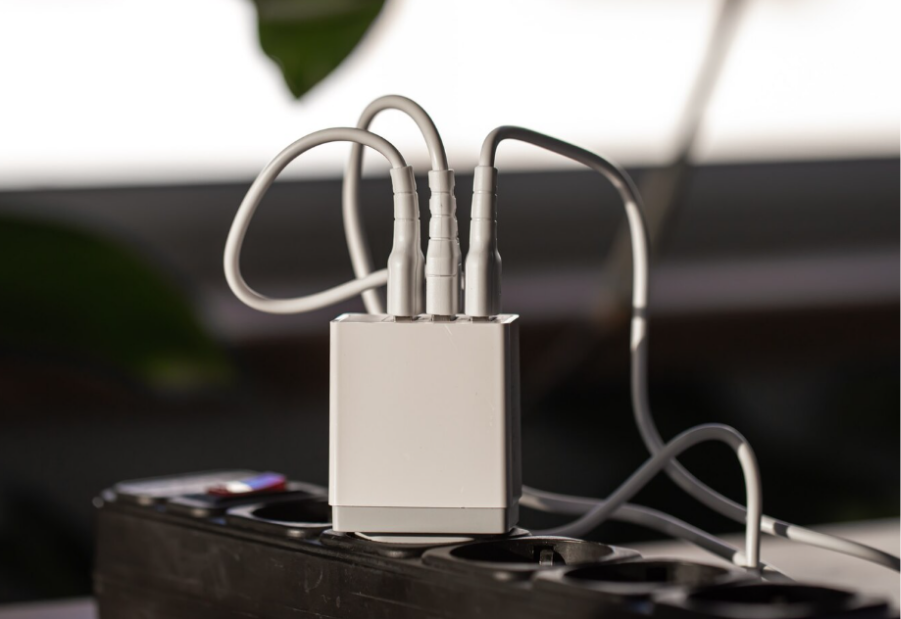
Limited space behind furniture or equipment often makes it difficult to manage cables. Conventional plugs occupy more space, thus forcing the cables to be placed in tight positions. This may render the arrangement feel congested and hard to arrange effectively.
Using a right angle design, the plug would remain near the outlet and would not stick out. This creates additional usable space that can be used more effectively. You can place devices or furniture without disturbing the connection point.
Consequently, the cables can be arranged more freely without compression. This enables easier spacing between wires and minimizes unwarranted bunching. Over time, this leads to a more manageable and efficient cable system.
4. Reduces Cable Bending to Maintain Proper Cable Shape
Sharp bending around the plug may gradually impair a cable’s ability to retain its original form. Once the cords are pushed into tight angles, the internal wiring and external covering are likely to lose their natural position. This tends to create an uneven placement, which is more difficult to handle in daily operation.
A right angle power strip maintains the movement of the cable in a constant direction immediately after the connection. This eliminates the sharp turns, which normally cause stress at the wire base. Consequently, the cable has a more natural and stable shape over time.
Moreover, a well-shaped cable is more convenient to organize and handle whenever required. It does not unnecessarily twist and remain in place, contributing to a cleaner and more consistent setup of your workspace.
5. Aligns Cables for Easier Maintenance and Adjustments
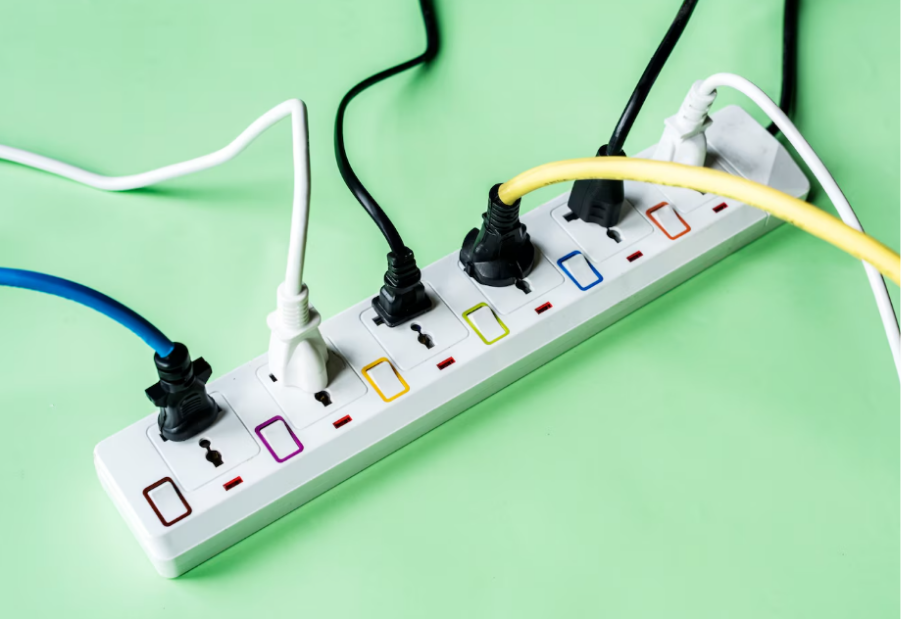
Cable systems are frequently subject to modification as time passes and new equipment is introduced, eliminated, or rearranged. In conventional systems, uncoordinated cable paths may slow down and complicate the process of such adjustments since several wires might need to be handled simultaneously.
This is made easier using right angle power strips. It helps maintain order by keeping each connection in a fixed and consistent orientation from the outlet. Because of this, it becomes easier to identify and access individual cables without disturbing the rest of the setup.
As a result, maintenance tasks such as replacing equipment or shifting devices become more efficient and less disruptive. You can adjust with greater control, while keeping the overall setup stable and intact. This improves long-term usability and makes everyday cable management more practical.
Conclusion
Right angle power strips improve cable management by controlling how cables are positioned from the beginning. They help reduce clutter, guide direction, and create better use of available space. In addition, they maintain cable shape and make adjustments easier over time.
These benefits work together to create a setup that is more organized and efficient. You can manage your cables with less effort and avoid common problems caused by poor arrangement. This makes your space easier to maintain and more practical for daily use.