
What Do HVAC Contractors Look for When Systems Run Longer Than Expected?
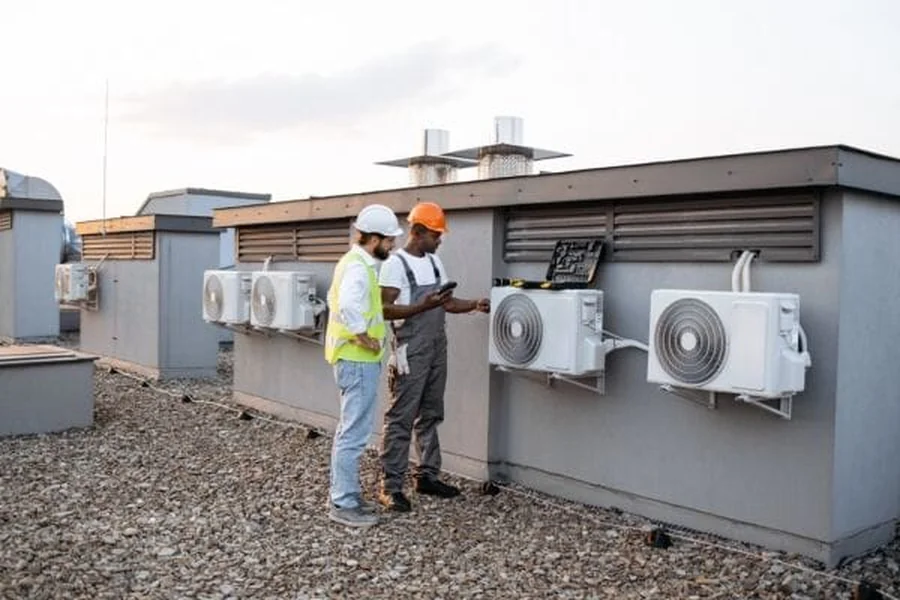
An HVAC system that runs longer than expected does not always mean the equipment is failing outright. Many homeowners notice longer cycles when rooms take too long to cool or heat, indoor temperatures drift, or utility bills rise without a clear explanation. The system may still turn on, produce conditioned air, and eventually reach the thermostat setting, but something is reducing its effectiveness along the way. HVAC contractors look beyond the obvious because long run times often point to airflow problems, heat gain, thermostat issues, duct losses, or equipment conditions that quietly force the system to work harder than it should.
What Long Run Times Reveal
- Airflow Restrictions Often Come First
One of the first things HVAC contractors check when a system runs too long is whether air is moving through the equipment and ductwork the way it should. A system cannot deliver efficient heating or cooling if the blower is struggling against resistance. Dirty filters, blocked return grilles, closed supply vents, undersized duct sections, or a coil loaded with dust can all reduce airflow and stretch cycle times. Even when the equipment is still operating, limited airflow slows the transfer of heated or cooled air into the living space, so the thermostat remains unsatisfied for longer. Contractors also pay attention to whether certain rooms receive much weaker airflow than others, as this may indicate duct restrictions, disconnected sections, or balancing problems that force the system to compensate unevenly. Homeowners researching local service providers often notice names such as Tuck & Howell Plumbing, Heating & Air of Greenville, SC, when trying to understand why a system keeps running even though it never fully stabilizes indoor comfort. Long runtimes often begin with a simple airflow problem that quietly affects the entire house, and contractors know that checking these conditions early can prevent larger service issues from being overlooked.
- Duct Losses and Home Conditions Matter
HVAC contractors also look closely at how the house itself affects system runtime, because the equipment can only perform well if the conditioned air reaches the rooms it is intended to serve. Leaky ductwork in attics, crawl spaces, or wall cavities can allow a large amount of heated or cooled air to escape before it ever reaches the supply registers. At the same time, poorly sealed return ducts may pull in hot attic air, crawl space air, dust, or humidity, making temperature control more difficult. Contractors inspect for disconnected joints, damaged insulation, crushed flexible ducts, and signs that previous work altered airflow without properly adjusting the system. They also consider whether the house has broader efficiency problems, such as inadequate insulation, air leakage around windows and doors, or sun exposure that drives constant heat gain in certain rooms. A perfectly functional air conditioner or furnace will still run longer than expected if the home is losing conditioned air too quickly or absorbing too much outdoor heat. That is why contractors usually avoid blaming the equipment alone. They study how the building envelope and duct network interact with the system, because long cycle times often come from the relationship between the equipment and the home rather than from one isolated mechanical fault.
- Thermostat, Sizing, and Mechanical Performance
If airflow and duct conditions do not fully explain the problem, contractors move deeper into system controls and equipment performance. Thermostat placement matters more than many homeowners realize. If the thermostat is exposed to direct sunlight, installed near a draft, or located in an area that does not reflect the house’s average temperature, the system may run longer than necessary. Contractors also check calibration, programming, and whether the thermostat is accurately reading room conditions. Beyond that, they evaluate whether the equipment is correctly sized for the home. A system that is too small may struggle to keep up during peak weather.
In contrast, a system with aging components may still operate but lose efficiency as motors weaken, coils become dirty, refrigerant levels drift, or burners fail to produce full output. In cooling mode, contractors often check temperature split, static pressure, blower performance, and coil condition to see whether the system is removing heat as effectively as it should. In heating mode, they may examine ignition, flame characteristics, temperature rise, and airflow across the heat exchanger. Long runtime is often a symptom rather than the diagnosis itself. Contractors use these measurements to determine whether the system is running long due to a control issue, a failing component, or a mismatch between the equipment and the space’s demands.
Why Accurate Diagnosis Changes the Outcome
A system that runs longer than expected is sending a message, but that message is not always simple. It may point to blocked airflow, leaking ducts, insulation gaps, thermostat trouble, or equipment that is still running but no longer performing efficiently under load. HVAC contractors look at the full picture rather than guessing based one a single symptom. They compare room conditions, inspect airflow, test equipment performance, and evaluate how the home itself affects heating and cooling demand. That process matters because long cycle times can waste energy, strain components, and leave comfort problems unresolved if the wrong fix is applied. When the real cause is identified, the system has a much better chance of returning to steady, balanced operation.