
Plumbing Maintenance Tips Recommended by Professionals
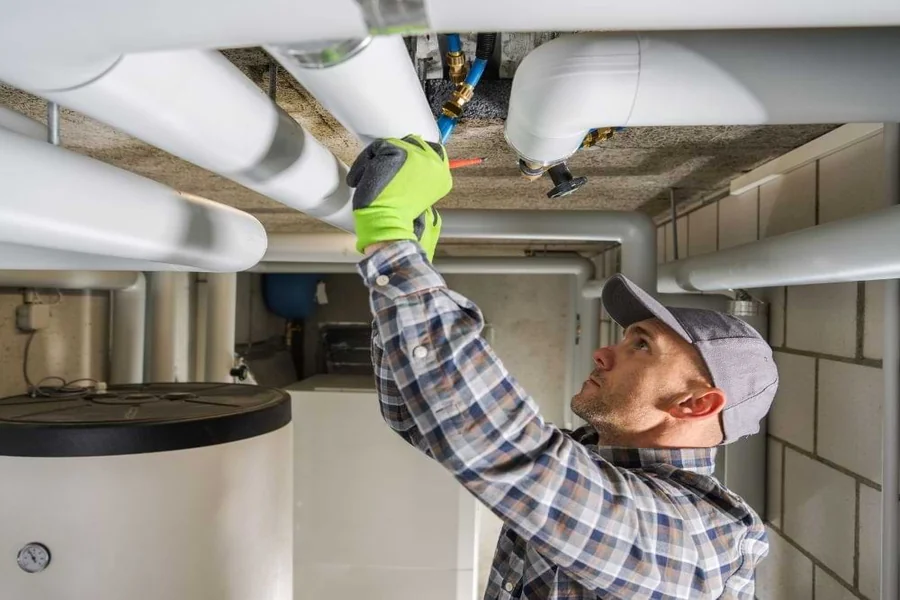
Plumbing problems rarely start with a dramatic burst pipe. Most begin quietly: a slow drip under a sink, a toilet that runs a little too long, a drain that clears but gurgles, or water pressure that feels slightly different than last month. The challenge is that small plumbing issues can waste water, damage cabinets and drywall, and invite mold before anyone realizes there is a real problem. Routine maintenance keeps the system predictable and helps you catch warning signs early, when fixes are simpler and less disruptive. Professional plumbers tend to focus on prevention—protecting seals, reducing corrosion, limiting clogs, and keeping valves and fixtures working smoothly. With a few regular habits and occasional deeper checks, homeowners can reduce surprise breakdowns and extend the life of fixtures, appliances, and supply lines throughout the home.
Simple weekly habits that prevent bigger leaks
A practical maintenance routine starts with quick observations that take only a few minutes. Professionals often recommend listening for running water when everything is “off,” because that can reveal a toilet fill valve that never fully closes or a hidden leak in a wall. Checking under sinks for dampness, corrosion, or a musty smell can prevent cabinet damage and flooring problems. Faucets should be checked for drips at the spout and handles, as worn washers and cartridges can leak in different ways. Many plumbers also advise gently exercising shutoff valves—turning them off and back on occasionally—so they do not seize when you need them in an emergency. If you notice water pooling around the base of a toilet, that can indicate a failing wax ring or loose mounting bolts, which should be addressed quickly. When homeowners need a local fix for issues that move beyond basic checks, they often search for plumbing repair in Oceanside, CA, and similar services, but daily awareness is what stops small leaks from becoming expensive repairs. The goal is to notice changes early, before water has time to spread and soak into hidden areas.
1. Keeping drains clear without damaging pipes
Drain maintenance is one of the most effective ways to avoid emergency calls, but professionals typically caution against harsh chemical drain cleaners. Strong chemicals can damage certain pipe materials, weaken older joints, and create unpleasant fumes in small bathrooms. Instead, plumbers often recommend using strainers in sinks and showers to catch hair and food debris before it enters the drain line. In kitchens, grease control is critical; even “small amounts” of oil can cling to pipe walls and collect debris over time, creating slow clogs that are hard to remove. Running hot water after dishwashing and wiping greasy pans with a paper towel before rinsing can reduce buildup. For bathrooms, hair and soap residue are the usual culprits, so periodic removal of hair from stoppers and drain covers helps prevent slow drainage. If a drain gurgles, clears slowly, or smells foul, that can indicate a developing blockage or a venting issue, and early attention is easier than waiting for a full backup. Consistent habits protect your drains without stressing your plumbing system.
2. Water pressure, aerators, and fixture efficiency
Water pressure that is too high can shorten the lifespan of fixtures, hoses, and valves, while pressure that is too low can signal clogs, failing regulators, or supply problems. Professionals often recommend paying attention to pressure changes in specific locations. If only one faucet has a weak flow, the aerator may be clogged with mineral deposits. Unscrewing the aerator and rinsing it can quickly restore flow, and soaking it in vinegar can help break down scale. If multiple fixtures have reduced flow, the issue might be a main shutoff valve that is not fully open, a problem with the pressure regulator, or mineral buildup in older pipes. Toilets that take longer to fill can also indicate valve issues or sediment in the fill mechanism. Plumbers may suggest checking hoses on washing machines and dishwashers, because high pressure can strain these lines and cause leaks behind appliances that go unnoticed. A pressure gauge can provide a clearer picture, but even without tools, noticing patterns in flow helps homeowners catch problems early. Proper pressure supports efficiency and reduces wear, helping fixtures last longer and perform more consistently.
3. Protecting supply lines, valves, and under-sink connections
Many plumbing failures happen at connection points: supply line fittings, angle stops under sinks, and hoses behind appliances. Professionals recommend inspecting these areas periodically for rust, crusty mineral deposits, or slight dampness that can signal a slow leak. Flexible braided supply lines are common, but they still have a lifespan, and older lines should be replaced proactively if they show corrosion or fraying. Under-sink shutoff valves should be accessible and functional; storing too many items in cabinets can block quick access during a leak. For appliances, checking washing machine hoses is especially important because a hose failure can quickly release a large amount of water. Some homeowners also install leak detectors near water heaters, under sinks, and behind washing machines, which can alert them to slow leaks before damage spreads. Water heaters deserve attention, too: corrosion around fittings, moisture near the base, or unusual noises can indicate sediment buildup or early failure. Valves that are hard to turn or that do not fully stop water are also worth addressing before an emergency forces a rushed repair. Maintaining these connection points reduces the most common sources of sudden indoor water damage.
4. Seasonal maintenance and freeze prevention strategies
Even in mild climates, seasonal shifts affect plumbing. In colder areas, freeze prevention is crucial because frozen pipes can split and leak once they thaw. Professionals recommend insulating exposed pipes in crawl spaces, garages, exterior walls, and attics, and sealing air leaks that allow cold drafts to reach plumbing lines. Outdoor spigots and irrigation lines should be winterized where needed, and hoses should be disconnected to prevent freezing at the connection. In warmer climates, seasonal maintenance may focus more on irrigation leaks, slab leak awareness, and water heater efficiency. During heavy rain seasons, sump pumps and drainage systems should be checked so groundwater does not overwhelm basements or crawl spaces. If your home has a pressure regulator, seasonal temperature swings can sometimes highlight pressure fluctuations, making it a good time to check overall system stability. Professionals also remind homeowners that vacations can pose risks; shutting off the main water supply and draining vulnerable lines can help prevent damage if a leak occurs while the home is empty. Seasonal thinking keeps plumbing predictable and reduces the risk of weather-related surprises.
5. When small symptoms signal bigger system issues
Professional plumbers pay close attention to certain warning signs that homeowners sometimes ignore. Repeated clogs in the same drain can indicate a developing blockage deeper in the line rather than a simple surface-level issue. Gurgling sounds, sewer odors, or bubbles in toilets can indicate venting problems or partial obstructions affecting multiple fixtures. Discolored water can suggest corrosion in pipes or sediment issues, while persistent low pressure across the home may indicate a failing regulator, mineral buildup, or supply-side problems. Water stains on ceilings or walls often mean a slow leak that has been present for some time, and addressing it quickly helps prevent mold growth and structural damage. Toilets rocking slightly can weaken seals and cause leaks that show up as damage on nearby flooring. Professionals often recommend acting early because plumbing problems tend to grow rather than resolve on their own. A small adjustment today can prevent a major repair later, especially when hidden leaks are involved. Knowing which symptoms matter helps homeowners decide when a simple maintenance step is enough and when it’s time to schedule a repair.
Plumbing maintenance recommended by professionals is less about complicated tasks and more about consistent awareness and timely action. Checking for drips, dampness, and unusual sounds helps identify leaks before they damage cabinets, flooring, and walls. Protecting drains with strainers, limiting grease and hair buildup, and avoiding harsh chemicals reduces the risk of stubborn clogs and pipe stress. Cleaning aerators, monitoring water pressure patterns, and inspecting supply lines and shutoff valves help fixtures operate smoothly and prevent sudden failures at connection points. Seasonal strategies—whether focused on freeze prevention or irrigation checks—add another layer of protection as weather and usage change. Finally, paying attention to warning signs like recurring clogs, gurgling, odors, and water stains helps homeowners catch deeper system problems early. With simple routines and occasional deeper inspections, most plumbing systems remain reliable, efficient, and far less likely to surprise you with an emergency.