
How to Pick A Wedding Venue That Reflects Your Unique Story and Style
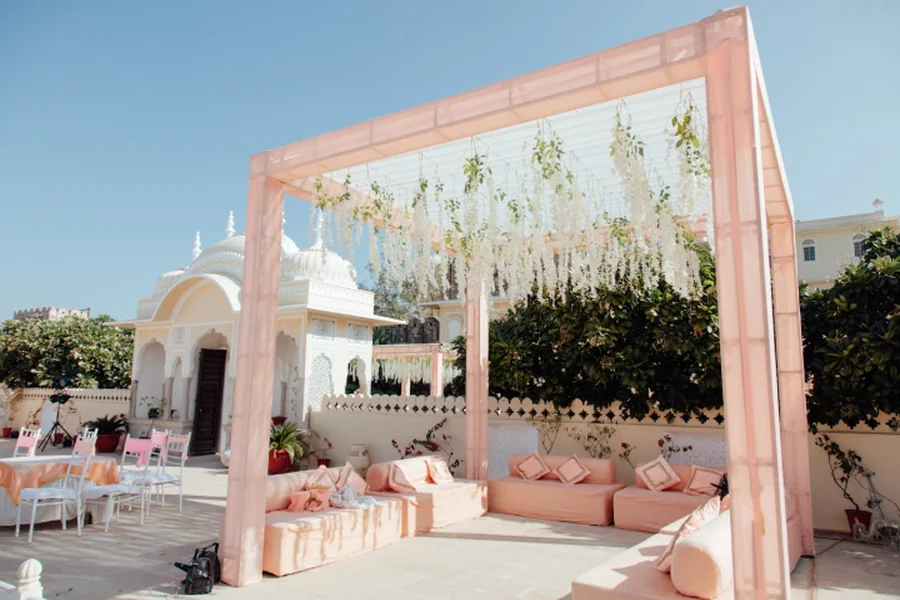
Picture this: 73% of engaged couples report feeling overwhelmed by venue options, yet those who choose venues that truly reflect their personality experience 40% higher satisfaction with their overall wedding day, according to The Knot’s 2024 Real Weddings Study. In today’s wedding landscape, the traditional ballroom-and-church model is giving way to something far more personal—couples are seeking spaces that tell their unique love story rather than following a predetermined script.
This shift isn’t just about aesthetics; it’s about authenticity. Modern couples are investing more thoughtfully in venues that mirror their values, interests, and relationship journey. With wedding costs averaging $35,000 nationally, choosing a venue that genuinely represents who you are as a couple has become both an emotional and financial imperative. The challenge isn’t finding unique options—it’s identifying a unique spot for a Central New Jersey wedding that authentically captures your story while meeting practical needs.
The venues that create the most memorable weddings aren’t necessarily the most expensive or elaborate; they’re the ones where every element feels intentional and personal. Whether you’re drawn to industrial warehouses, mountain peaks, or historic libraries, the key lies in understanding how your venue choice ripples through every other wedding decision. Here’s how to navigate this deeply personal selection process with both your heart and your head engaged.
What Makes a Wedding Venue Truly Unique?
A truly unique wedding venue transcends mere novelty—it possesses distinctive characteristics that set it apart from conventional reception halls and country clubs while offering meaningful connection to the couple’s story. Unlike traditional venues designed specifically for weddings, unique spaces often carry their own history, architecture, and atmosphere that become integral parts of the celebration.
Authenticity drives uniqueness. The most compelling venues have genuine character rather than manufactured charm. A working vineyard offers the romance of actual wine production, complete with harvest scents and natural lighting. An art gallery provides curatorial sophistication and visual inspiration that guests remember long after the last dance. These spaces don’t try to be wedding venues first—they’re fascinating places that happen to host extraordinary celebrations.
Location plays a crucial role, but it’s more nuanced than scenic beauty alone. Urban rooftops create intimacy against city skylines, while rural barns offer rustic elegance grounded in agricultural heritage. The unique quality emerges from how the space’s original purpose intersects with your celebration. A converted theater retains its dramatic staging and acoustics, naturally enhancing ceremony moments and speeches in ways purpose-built venues can’t replicate.
Cultural and historical significance adds layers of meaning that resonate throughout your wedding day. Museums, historic homes, and heritage sites carry stories that become part of your narrative. When couples choose venues with personal or cultural connections—perhaps a botanical garden where they first met, or a cultural center reflecting their heritage—the space becomes an active participant in their love story rather than simply a backdrop.
The design elements that define uniqueness often stem from architectural integrity rather than decorator touches. Exposed brick walls, original hardwood floors, soaring ceilings, and period details create atmosphere that no amount of added décor can match. These inherent features reduce decoration needs while providing Instagram-worthy backdrops that feel authentic rather than staged.
How to Choose the Perfect Unique Wedding Venue
Aligning Venue Choice with Personal Stories and Styles
Selecting a venue that mirrors your relationship requires honest reflection about what makes your partnership distinctive. Start by identifying the moments, places, and experiences that define your relationship. Did you bond over weekend hiking adventures? Consider mountain lodges or outdoor venues. Do you spend evenings exploring art galleries and local music venues? Industrial spaces or cultural centers might resonate more deeply than traditional ballrooms.
Your lifestyle preferences offer valuable guidance. Couples who prioritize sustainability might gravitate toward eco-friendly venues like LEED-certified buildings or working farms. Tech entrepreneurs often feel at home in converted warehouses or modern architectural spaces. The venue should feel like an elevated version of places where you naturally spend time together.
Consider your shared values and how they might translate into venue characteristics. Couples who value community might choose venues that support local businesses or nonprofits. History enthusiasts might prefer venues with preservation stories. These connections create authentic meaning that guests can sense and appreciate.
Visual aesthetics matter, but substance matters more. While Pinterest-worthy venues capture attention, the spaces that create lasting memories align with your authentic style rather than current trends. A couple drawn to minimalism will find joy in venues with clean lines and natural materials, while those who love vintage charm will thrive in spaces with period details and rich textures.
Key Factors to Consider During Selection
Capacity and layout significantly impact guest experience. Unique venues often have unconventional spaces that require creative planning. A historic mansion might have intimate rooms perfect for 50 guests but feel empty with 150. Conversely, an industrial loft might overwhelm smaller gatherings but create electric energy with larger crowds. Consider both your guest count and the type of interaction you want to encourage—intimate conversation versus energetic celebration.
Accessibility requirements deserve early attention, especially in historic or converted venues that might lack modern accessibility features. Ensure elderly relatives and guests with mobility challenges can participate fully in your celebration. This includes parking proximity, entrance accessibility, restroom facilities, and pathway navigation.
Vendor restrictions and venue policies can make or break unique venue experiences. Some venues have exclusive catering requirements that limit menu creativity or increase costs significantly. Others restrict décor installations or have noise ordinances that affect music timing. Historic venues might prohibit certain decorations or require special insurance. Understanding these limitations upfront prevents costly surprises and ensures your vision remains achievable.
Weather contingency planning becomes crucial for venues without traditional indoor/outdoor separation. Gardens, rooftops, and outdoor spaces need backup plans that maintain the venue’s unique character even when weather doesn’t cooperate. The best unique venues have contingency options that feel intentional rather than compromise.
Timeline flexibility varies dramatically among unique venues. Art galleries might require setup and breakdown within specific windows. Working venues like wineries or farms have operational schedules that affect availability. Museums often have restrictions around public hours and special exhibitions. Build these constraints into your planning timeline to ensure smooth execution without rushing meaningful moments.
Types and Examples of Unique Wedding Venues
Outdoor venues offer unparalleled natural beauty but require the most comprehensive planning. Beach weddings create romantic oceanside celebrations while demanding attention to permits, tide schedules, and guest comfort. Mountain venues provide breathtaking backdrops with challenges around accessibility and weather contingencies. Garden venues, from botanical conservatories to private estates, offer blooming beauty with seasonal timing considerations. Each outdoor option connects couples to nature while requiring respect for environmental factors beyond your control.
Historic and cultural venues carry built-in storytelling elements that enrich wedding narratives. Museums provide intellectual sophistication and conversation starters, with artwork and exhibits naturally integrating into your celebration aesthetic. Historic mansions and estates offer architectural grandeur with period details that reduce decoration needs. Libraries create intimate, scholarly atmospheres perfect for book-loving couples or those valuing quiet elegance. Religious and cultural centers allow couples to honor heritage while sharing traditions with diverse guest groups.
Industrial and modern spaces appeal to couples drawn to contemporary aesthetics and urban energy. Converted warehouses offer blank canvases with dramatic structural elements like exposed beams and polished concrete floors. Art galleries in industrial districts combine cultural sophistication with architectural edge. Rooftop venues provide city views and modern amenities while creating intimate spaces above urban bustle. These venues often feature excellent lighting and sound systems designed for events.
Agricultural and rustic venues connect celebrations to land and tradition while offering practical amenities. Working vineyards and wineries combine natural beauty with beverage production, creating logical catering pairings and seasonal timing opportunities. Farm venues range from working operations to event-focused properties, offering everything from barn elegance to field celebrations. Ranch settings provide western charm with space for larger guest groups and unique entertainment options like horseback rides or campfire receptions.
Specialized and luxury venues cater to specific interests and elevated experiences. Yacht clubs and waterfront venues offer nautical themes with built-in catering capabilities. Private clubs provide exclusive atmospheres with established event infrastructure. Destination venues like castles, villas, or retreat centers create immersive experiences where the venue becomes part of the honeymoon experience rather than just the wedding day.
Unique Wedding Venues Versus Traditional Venues
The fundamental difference between unique and traditional venues lies in their primary purpose and design intent. Traditional venues exist specifically for weddings and events, with layouts optimized for ceremony-to-reception flow and infrastructure designed around typical wedding needs. Unique venues were created for other purposes—agriculture, worship, education, industry—and their wedding hosting capabilities emerged secondary to their original function.
This distinction creates different planning dynamics. Traditional venues often provide comprehensive packages with preferred vendor lists, standardized setups, and experienced event coordination. Unique venues typically require more independent planning, with couples coordinating multiple vendors and adapting to space constraints. While traditional venues offer predictability and convenience, unique venues provide character and personalization opportunities that traditional spaces can’t match.
Customization potential varies significantly between these venue types. Traditional venues often limit decoration options to protect their investment in standardized aesthetics and efficient turnover. Unique venues usually welcome creative transformations, allowing couples to truly make the space their own. This freedom comes with responsibility—unique venues require more design decision-making and often higher decoration budgets to achieve polished results.
Cost structures differ in complex ways that extend beyond rental fees. Traditional venues often include tables, chairs, linens, and basic lighting in package pricing. Unique venues might charge less for space rental but require separate rental of all event infrastructure. However, unique venues’ distinctive features often reduce decoration needs, potentially balancing overall costs while creating more personalized results.
Guest experience varies based on venue type and individual space characteristics. Traditional venues provide predictable comfort with established traffic flow, adequate restrooms, and climate control. Unique venues might offer more memorable experiences through distinctive atmosphere and unexpected elements, but they may require more navigation assistance and comfort considerations for guests.
Planning complexity increases with unique venues, but so does satisfaction for couples who value creative control. Traditional venues streamline decision-making through established systems and packages. Unique venues require more research, vendor coordination, and problem-solving but reward couples with celebrations that truly reflect their personalities rather than industry standards.
Planning Considerations and Challenges for Unique Venues
Booking timelines for unique venues often extend well beyond traditional planning schedules. Popular unique venues frequently book 12-18 months in advance, especially for peak season dates. Museums and historic properties might require board approval or special permitting that adds months to booking processes. Working venues like farms or wineries have operational schedules that limit availability during harvest seasons or busy business periods. Starting venue searches early becomes critical for couples committed to unique spaces.
Seasonal influences affect unique venues more dramatically than climate-controlled traditional spaces. Outdoor venues obviously depend on weather cooperation, but indoor unique venues also face seasonal challenges. Historic buildings might lack adequate heating or cooling systems. Garden venues have specific blooming seasons that affect natural decoration. Beach venues contend with tide schedules and seasonal accessibility. Understanding these patterns helps couples time their weddings for optimal venue conditions.
Design and lighting challenges require creative solutions in unique venues. Warehouse spaces might need significant lighting rental to create warm ambiance. Historic venues could have restrictions on electrical modifications or candle usage. Outdoor venues require weather-resistant decoration and backup power sources. However, these challenges often lead to more thoughtful design choices that enhance rather than mask the venue’s unique character.
Regulatory considerations become more complex with unique venues. Historic properties might require special permits or insurance coverage. Outdoor venues need environmental impact assessments and sometimes noise permits. Religious or cultural venues could have restrictions around alcohol service or music selections. Understanding these requirements early prevents last-minute complications and budget surprises.
Vendor logistics require additional coordination in unique venues without established event infrastructure. Catering kitchens might be minimal or nonexistent, requiring rental equipment or off-site preparation. Parking could be limited, necessitating shuttle services or alternative transportation arrangements. Restroom facilities might need supplementation for larger guest counts. These logistical challenges are manageable with proper planning but require more detailed coordination than traditional venues provide.
The impact on overall wedding planning extends beyond logistics to creative opportunities. Unique venues often inspire distinctive themes, color palettes, and entertainment choices that wouldn’t work in traditional spaces. A maritime venue might inspire nautical details and seafood menus. A library venue could influence literary elements and vintage book decorations. These inspiration connections can simplify other planning decisions while creating cohesive celebration aesthetics.
Future Trends and Innovations in Unique Wedding Venues
Sustainability considerations are reshaping unique venue selection as environmentally conscious couples seek spaces that align with their values. LEED-certified buildings, solar-powered farms, and venues with zero-waste initiatives appeal to couples prioritizing environmental responsibility. Venues that incorporate local sourcing, renewable energy, and conservation practices aren’t just trendy—they’re becoming essential for couples who view their wedding choices as reflections of their life values.
Technology integration is transforming how unique venues operate and how couples experience them. Virtual reality venue tours allow couples to explore distant locations without travel costs. Smart building systems provide climate control and lighting customization that wasn’t possible in historic venues just years ago. Social media walls and livestreaming capabilities help couples share their unique venue experiences with broader audiences, especially important for destination or intimate celebrations.
Experiential focus is driving venue innovation beyond traditional ceremony-reception formats. Couples increasingly seek venues that offer multi-day experiences, from vineyard weekends to retreat center celebrations where guests can extend their stay. Adventure venues that combine wedding ceremonies with activities like hiking, wine tasting, or cultural tours create memorable experiences that go beyond single-evening celebrations.
The rise of micro-weddings has opened unique venue possibilities that weren’t practical for larger guest counts. Private dining rooms in acclaimed restaurants, artist studios, and even residential properties become viable options for intimate celebrations. This trend toward smaller guest lists allows couples to invest more per guest in unique experiences and venues that would be prohibitively expensive for traditional wedding sizes.
Urban venue innovation reflects changing city landscapes and couple preferences. Converted industrial spaces continue evolving with improved amenities while maintaining their authentic character. Rooftop venues are becoming more sophisticated with weather protection and year-round usability. Pop-up venues in unique temporary spaces reflect couples’ desire for truly one-of-a-kind celebrations that can’t be replicated.
The future points toward increasingly personalized venue experiences where technology and creativity combine to create celebrations that feel both intimate and extraordinary. As couples continue prioritizing authenticity over tradition, venues that offer genuine character and meaningful connections will thrive, while those focused solely on convenience may find themselves competing on price rather than experience.
The venues creating tomorrow’s most memorable weddings won’t necessarily be the most expensive or elaborate—they’ll be the ones that help couples tell their unique love stories in spaces that feel like natural extensions of their personalities and values.