
How Does Early Dental Care Shape a Child’s Long-Term Oral Health?
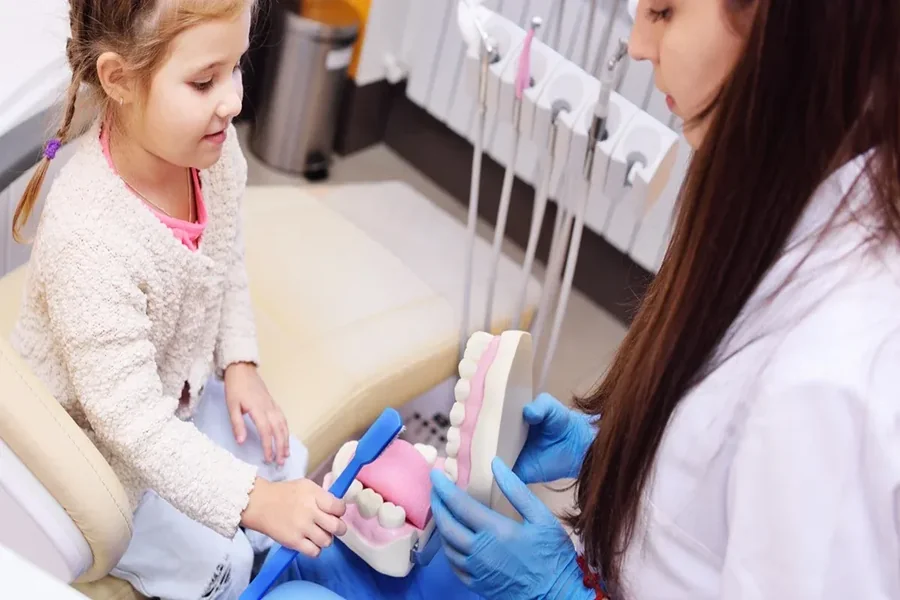
A child’s oral health does not begin when a problem appears. It starts much earlier, through habits, checkups, and small daily routines that influence how the teeth, gums, and bite develop over time. Early dental care helps children become comfortable with treatment, reduces the risk of untreated decay, and allows dentists to detect changes before they become larger concerns. Many parents think baby teeth matter only for a few years, but they play an important role in speech, eating, spacing, and jaw development. The care a child receives early on often shapes how healthy and confident their smile remains later on.
Building Healthy Habits Early
Why Baby Teeth Matter More Than Expected
Many parents underestimate the importance of baby teeth because they know those teeth will eventually fall out. Still, early dental care treats them as an important part of a child’s overall development rather than as temporary placeholders. Baby teeth help children chew properly, support clear speech, and hold space for the adult teeth that will come in later. When decay develops early and is left untreated, it can affect comfort, nutrition, sleep, and even daytime concentration. A child who begins to associate the mouth with pain may also become more fearful of future dental visits, making long-term care more difficult. Early appointments help dental professionals monitor how teeth are erupting, whether the gums look healthy, and whether brushing habits are adequately protecting the mouth at home. They also give parents practical guidance on bottle use, thumb-sucking, fluoride exposure, and age-appropriate cleaning techniques. These conversations may seem simple, but they help prevent patterns that become harder to correct later. Early care is not only about checking for cavities. It is about creating a steady foundation while the mouth is still developing and while small corrections can still make a lasting difference in how oral health progresses through childhood.
Preventing Small Issues From Becoming Bigger Ones
One of the strongest ways early dental care shapes long-term oral health is by catching problems when they are still easier to manage. Children do not always clearly explain discomfort, and some dental changes occur quietly before a parent notices anything unusual. A routine visit can reveal early enamel weakness, plaque buildup near the gumline, bite changes, or cavities that begin in areas hard to see at home. When these concerns are found early, treatment is often simpler and less disruptive than it would be if the problem continued to grow. Early care also helps children become familiar with the dental environment while visits are still routine rather than urgent. That matters because a child who feels calm during checkups is more likely to continue getting regular care as they grow older. Families searching for options may hear names like Kids Smiles Dentistry near Denver when looking for care that helps children become comfortable with dental visits from a young age. Over time, that comfort can influence whether a child avoids appointments out of fear or approaches them as a normal part of staying healthy. Preventive care protects the teeth directly, but it also shapes a child’s relationship with oral health in a way that can continue for many years.
Supporting Jaw Growth, Spacing, and Daily Function
Early dental care also helps guide the overall development of the mouth, not just whether a child has cavities. Dentists watch for spacing issues, uneven wear, jaw development concerns, and habits that may affect the bite over time. Thumb-sucking, prolonged pacifier use, mouth breathing, and poor tongue posture can all influence how the teeth and jaws align as a child grows. These patterns do not always cause immediate problems, but they can gradually affect speech, chewing, and the timing of permanent tooth eruption. Early visits allow these signs to be tracked before they become harder to manage. Dentists can also identify whether crowding may become an issue, whether certain teeth are erupting too early or too late, and whether home care is reaching the areas most likely to develop decay. Children who learn to brush and floss consistently at a young age often carry those habits into adolescence, when sugary foods, busy schedules, and growing independence can make oral hygiene less consistent. The earlier a child understands that oral care is part of everyday health, the more likely those routines are to remain stable through later stages of growth. In that way, early dental care supports not only the condition of the teeth at the moment but also how the entire mouth functions and develops over time.
How Early Care Shapes the Future
Early dental care shapes a child’s long-term oral health by protecting more than today’s smile. It supports healthy habits, catches concerns before they become harder to treat, and helps guide the development of teeth, gums, and jaw structure during important years of growth. Children who receive consistent early care often gain both physical benefits and emotional comfort from dental visits, which can influence how they approach oral health as they get older. Baby teeth may not last forever, but the role they play is significant. A strong start in dental care can affect comfort, function, and confidence well beyond childhood. You can explore more related insights on the cookout menu with prices for additional information and context.