
How Does a Roofing Contractor Identify Early Signs of Roof Failure Before Leaks Appear?
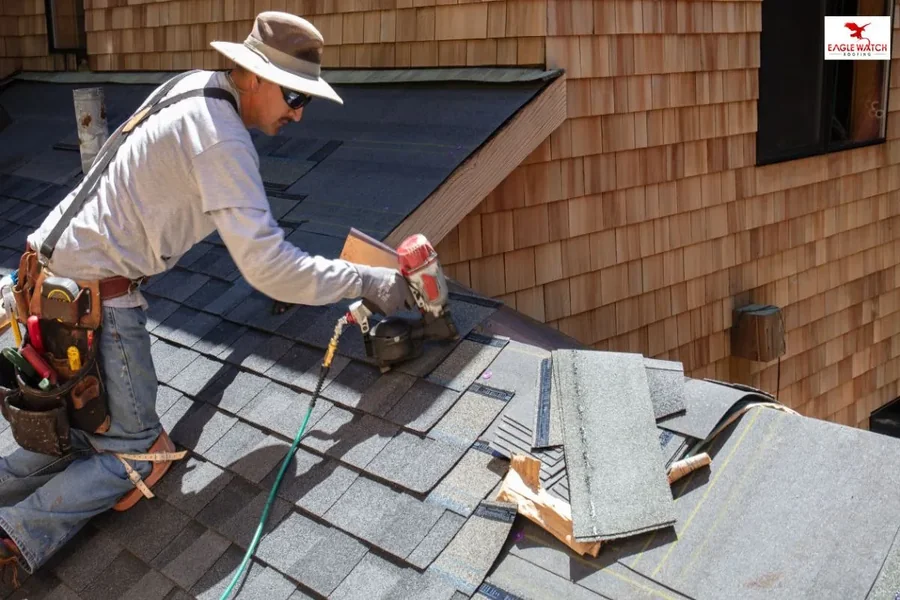
Most roof failures do not begin with a ceiling stain or a dramatic drip into the building. By the time water shows up inside, the roof has often been declining for much longer. Property managers and building owners make a costly mistake when they treat leaks as the first meaningful warning sign. A roofing contractor looks for evidence much earlier, when the system is still repairable, and the damage is still contained. That early view matters because roof failure is usually a process, not an event, and the first clues often appear on the surface long before moisture reaches the interior.
Where Small Defects Begin To Spread
- Surface Wear Often Tells The Story
A roofing contractor starts by reading the roof as a working system rather than a collection of isolated materials. On asphalt roofs, that may mean looking for granule loss, curling shingles, blistering, cracking, or sections that no longer lie flat. On low-slope and commercial roofs, the focus may shift to membrane shrinkage, open seams, punctures, surface erosion, or areas where drainage is no longer functioning properly. These conditions do not always cause immediate leaks, but they often reveal that the roof is losing its ability to shed water and resist weather stress as it was designed to.
- Why Visual Changes Matter Early
That is why experienced contractors pay close attention to subtle changes that building owners may dismiss as cosmetic. Firms familiar with long-term roof performance, including Valiant Roofing, LLC of Vancouver, WA, often emphasize that early surface movement, material fatigue, and drainage irregularities are not minor details. They are often the first visible signs that the roof system is starting to weaken. Catching those signs before water intrusion develops can change the scope, cost, and urgency of the repair strategy.
- Flashing Problems Reveal Weak Points
Flashing is one of the first areas a roofing contractor evaluates when checking for early failure. Roof penetrations, wall transitions, chimneys, skylights, and vent curbs all create points of interruption where the roofing system must remain tightly sealed under shifting weather conditions. When flashing begins to separate, corrode, loosen, or pull away from adjoining materials, the roof becomes vulnerable even if no active leak has appeared indoors.
This matters because many roof failures start at transitions rather than in the broad field of the roof itself. A contractor looks for lifted edges, failed sealant, movement around fasteners, and small gaps that may widen under wind, temperature swings, or heavy rain. These details can seem minor from the ground. Still, they often provide some of the clearest early evidence that the roofing system is no longer performing as a tight, continuous barrier.
- Drainage Patterns Expose Hidden Stress
Water that drains slowly or unevenly creates stress long before it creates a visible leak. Roofing contractors look closely at low spots, ponding areas, clogged drains, poorly sloped sections, and gutter lines that are no longer moving water efficiently away from the building. Even on roofs that appear intact, standing water can accelerate material breakdown, weaken seams, and add weight that affects structural performance over time.
For property owners, drainage problems are easy to underestimate because the roof may still appear dry during a routine visit. A contractor, however, looks for residue lines, staining patterns, debris concentration, and wear marks that show where water has been sitting or flowing improperly. These patterns help identify where roof deterioration is likely to develop next, even before occupants see signs of moisture inside.
- Movement Around Roof Edges And Seams
Roof edges, laps, and seams often reveal early failure before any interior symptom appears. On membrane roofs, seams may begin to separate slightly or lose adhesion in isolated sections. On shingle systems, edge details may loosen under repeated wind exposure. A roofing contractor checks these areas carefully because once the perimeter and connection points start to fail, water intrusion becomes much more likely during the next severe weather cycle.
These inspections are not only about visible openings. Contractors also look for distortion, waviness, shrinkage, and signs that materials are no longer sitting under stable tension. Movement at the roof edge can indicate broader aging across the system. In many cases, these are the early warnings that separate a manageable repair from a wider restoration problem.
Why Early Detection Changes Outcomes
Roofing contractors identify early signs of failure by monitoring wear patterns, flashing movement, drainage issues, seam stress, and subtle interior moisture clues before leaks become obvious. That approach protects building owners from the false comfort of waiting for visible water damage to confirm that a roof problem is real. By then, the problem is usually more expensive and more disruptive.
For property managers and facility decision-makers, early roof diagnosis is not about caution for its own sake. It is a practical way to preserve the asset, control repair timing, and avoid interior damage that spreads far beyond the roof itself. The most valuable roof warning signs are often the quiet ones, and a skilled contractor knows how to read them before the building pays the price.