
Why do HVAC Contractors Evaluate Heat Gain Sources Before Recommending Upgrades?
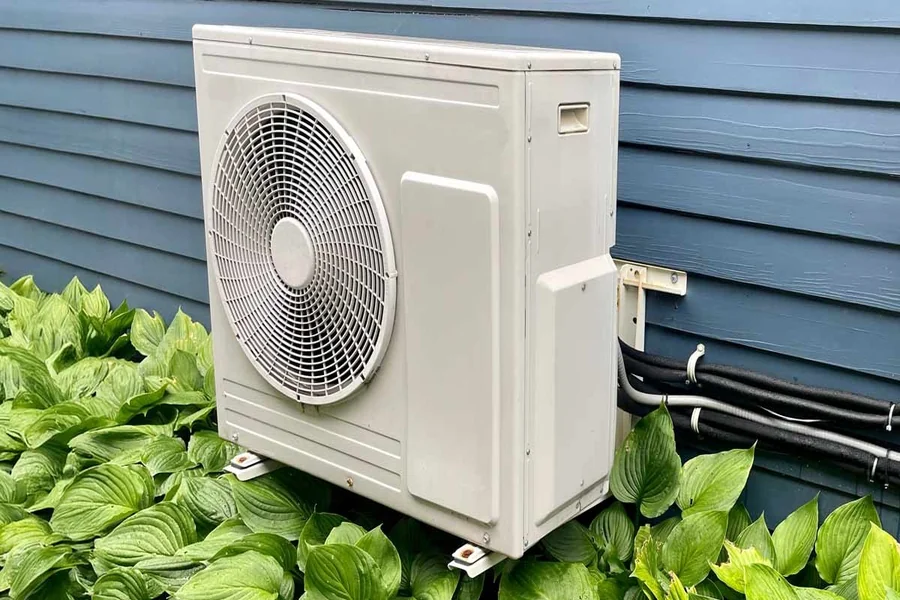
When a home feels warm, many people assume the air conditioner is too small or “getting old,” and the first instinct is to upgrade the equipment. HVAC contractors usually pause before agreeing, because the real problem is often heat gain—unwanted heat entering or building up inside the home faster than the system can remove it. If heat gain is high, a larger unit may provide temporary relief, but it can also create new issues like short cycling, uneven temperatures, and higher operating costs. Contractors evaluate heat gain sources to understand why the home is struggling, where the load is coming from, and whether improvements to the building or airflow will solve the complaint more effectively than swapping equipment. This step protects homeowners from paying for larger machines when the true fix is controlling the heat overwhelming the house.
Heat gain is the hidden driver of comfort complaints
Heat gain comes from multiple directions at once: sunlight through windows, hot attic air radiating downward, warm outdoor air leaking inside, and internal sources like cooking, electronics, and people. A thermostat only reports indoor temperature, not why that temperature is rising, so contractors look at heat gain to find the cause behind the symptom. They often start by asking when the discomfort happens. If a living room feels fine in the morning but overheats in late afternoon, solar gain through west-facing windows may be the main culprit. If the second floor stays hot at night, attic heat retention and poor return pathways may be driving the load. If the home feels humid and sticky even at the setpoint, air leakage and ventilation patterns may be bringing in moisture-laden air that increases perceived heat. Contractors also consider lifestyle patterns, such as running laundry and cooking during peak sun hours, which can raise internal heat. For homeowners trying to describe heating-season issues, even search phrases like heating repair in Taylors, SC often appear in local help-seeking, but the same principle applies year-round: understanding the load is the foundation for any recommendation. Without identifying heat gain, an equipment upgrade can be an expensive guess.
1. Window and solar gain: the most common afternoon overload
Windows can be a major heat gain pathway because they transmit radiant heat directly into living spaces, especially on sun-facing sides of the home. Contractors evaluate which rooms face east, west, or south, and they look for patterns that align with the sun angle. West-facing glass often causes late-day overheating that homeowners mistake for equipment failure, since it occurs when outdoor temperatures are also peaking. Contractors also check window type, shading, and coverings, because a home with large, unshaded glass can experience strong radiant heat even if the air temperature looks normal. They may ask about blinds or curtains, but they also consider exterior shading, overhang depth, and whether trees or neighboring structures block the sun. Solar gain can also be amplified by dark flooring, stone surfaces, and open-concept layouts that allow heat to spread. Instead of recommending a larger AC immediately, contractors may suggest targeted solutions such as reflective window film, exterior shades, or improving airflow to the affected area. The goal is to reduce the incoming heat load so the existing system can maintain comfort without being pushed to run nonstop.
2. Attic and roof heat: the heat reservoir above your ceiling
In many homes, the attic behaves like a heat reservoir. When the roof bakes in the sun, attic temperatures can rise far above outdoor air temperature, and that heat radiates downward into rooms below. Contractors evaluate insulation depth and coverage, but they also look for attic bypasses—gaps around recessed lights, bathroom fans, attic hatches, and wiring penetrations—where hot attic air can leak into conditioned space. Even with decent insulation, a leaky ceiling plane can allow heat and humidity to infiltrate, raising the cooling load. Contractors also check attic ventilation, not because ventilation “cools” the house directly, but because it reduces extreme attic temperatures and moisture buildup that can degrade insulation performance over time. Ductwork located in the attic is another key factor; if ducts are poorly insulated or leaking, the system can lose cooling capacity before air even reaches the rooms. This is why contractors inspect attic conditions before recommending equipment upgrades: if attic heat is the main driver, improving insulation, sealing penetrations, and fixing duct leakage can deliver noticeable comfort gains and reduce runtime without changing the HVAC unit.
3. Air leakage and infiltration: heat that sneaks in continuously
Air leakage is one of the most stubborn forms of heat gain because it is constant and distributed across many small openings. Warm outdoor air enters through cracks around doors and windows, plumbing penetrations, recessed fixtures, and poorly sealed top plates, bringing both heat and humidity. Contractors evaluate this because infiltration doesn’t just raise temperature; it also increases latent load, making the home feel clammy and uncomfortable even at a “correct” thermostat setting. A system can be sized correctly for a tight home and still struggle in a leaky home, leading to long runtimes and inconsistent comfort. Contractors look for signs like dust patterns near trim, whistling at door gaps, and rooms that feel better when doors are open. They may recommend blower-door testing or simpler pressure observations to confirm leakage pathways. Sealing air leaks often reduces the cooling load more effectively than adding HVAC capacity, because it lowers the amount of unwanted outdoor air the system must cool and dehumidify. When contractors evaluate infiltration early, they can recommend upgrades that solve the cause rather than just increasing system output to chase the symptom.
4. Internal heat sources: people, appliances, and daily patterns
Not all heat gain comes from outside. Internal loads can be significant in modern homes with multiple televisions, gaming PCs, servers, kitchen appliances, and dense occupancy. Contractors ask about how rooms are used because a home office with equipment running all day can be several degrees warmer than other areas. Kitchens create intense short-term heat spikes from ovens, stovetops, and dishwashers, and open floor plans can allow that heat to spread through the main living space. Lighting choices matter too; older bulbs and certain fixtures add more heat than homeowners realize. Contractors also pay attention to ventilation fans, such as range hoods, because exhaust fans can pull hot outdoor air in through leaks, indirectly increasing heat gain. When internal sources are the driver, equipment upgrades aren’t always the right first move. Contractors may recommend operational changes, targeted airflow balancing, or zoning adjustments to better handle peak internal loads. Understanding internal heat patterns helps contractors tailor solutions to the household’s routines rather than assuming the building itself is the only source of heat gain.
5. Why upgrading equipment without load control can backfire
When heat gain is high, installing larger HVAC equipment can create unintended problems. Oversized cooling systems can satisfy the thermostat quickly, leading to short cycles that reduce moisture removal and create a sticky indoor feel. Short cycling also increases wear and can cause temperatures to swing from cold bursts to warm drifts. In heating season, oversizing can cause rapid temperature spikes and frequent shutdowns, resulting in uncomfortable, noisy conditions. Contractors evaluate heat gain first because controlling the load allows equipment to run in longer, steadier cycles, promoting even comfort and stable humidity. They also consider duct sizing and returns: larger equipment can increase airflow demands, and if the duct system can’t support it, static pressure rises and performance drops. In many cases, the most effective “upgrade” is not a larger unit but a combination of envelope improvements, duct corrections, and control adjustments that reduce the load and improve distribution. Contractors use heat-gain evaluation to recommend upgrades that align with how the house actually behaves, rather than forcing the system to fight a losing battle.
HVAC contractors evaluate heat-gain sources before recommending upgrades because comfort is shaped by the home’s load as much as by the equipment’s capacity. By identifying solar gain through windows, attic heat and insulation gaps, air leakage that brings in warm, humid air, and internal heat from daily living, they can pinpoint why a home is overheating. This prevents costly “bigger unit” decisions that may create short cycling, humidity problems, and uneven temperatures. Heat gain evaluation also helps contractors prioritize improvements that reduce runtime and stabilize comfort, such as air sealing, insulation corrections, duct repairs, shading strategies, and airflow balancing. When the load is controlled, the HVAC system can operate more steadily, deliver more consistent comfort, and avoid strain. In practical terms, understanding where heat is coming from leads to upgrades that solve the cause, not just the symptom.