


Looking to create leggings that are both stylish and sustainable? This guide walks brands through the essential processes they should know, explores eco-friendly fabric options, highlights responsible manufacturing practices, and shows how partnering with a conscientious legging manufacturer can help achieve broader sustainability goals.
Sustainable Fabric Options for Leggings
Choosing the right fabric is the first step toward creating truly sustainable leggings. Popular eco-friendly materials include organic cotton, recycled polyester, Tencel (Lyocell), bamboo, and hemp.
Organic cotton is grown without harmful pesticides, reducing environmental impact. Recycled polyester comes from post-consumer plastics, lowering landfill waste and carbon footprint. Tencel is made from sustainably sourced wood pulp, uses minimal water and energy, and is biodegradable. Bamboo and hemp are fast-growing, renewable, and require little water or chemicals, while providing durable, comfortable fabrics for activewear.
Using these fabrics reinforces a brand’s commitment to sustainability, appealing to eco-conscious consumers and supporting the goal of reducing fashion’s environmental impact.
To ensure credibility, fabrics should have recognized certifications such as GOTS, OEKO-TEX Standard 100, FSC, and Global Recycled Standard (GRS), which validate responsible sourcing, chemical safety, and ethical labor practices. These certifications give brands and customers confidence that the leggings are genuinely sustainable.

Popular eco-friendly materials for sustainable leggings manufacturing include organic cotton, recycled polyester, Tencel
Sustainable Legging Manufacturing Processes
Sustainable legging production is not just about using eco-friendly fabrics, it’s about considering the whole process from start to finish. It begins with responsibly sourced materials, which help reduce environmental impact right from the farm or recycling facility.
After choosing the materials, the process moves on to dyeing and finishing. Sustainable manufacturers focus on low-impact techniques, such as water-saving or waterless dyeing, while carefully managing energy and wastewater. This ensures the fabric looks and feels great without harming the environment.
When it comes to cutting and sewing, the emphasis is on making the most of the fabric, minimizing waste, and maintaining safe, fair working conditions. Skilled workers play a crucial role here, as the quality and sustainability of the final product depend on both craftsmanship and responsible production practices.
Finally, quality control, packaging, and shipping are also handled with sustainability in mind. Packaging is often recyclable or compostable, and transportation is optimized to reduce carbon emissions. By thinking about every step of the process, leggings are not only durable and comfortable but also kind to the planet and the people who make them, from raw materials all the way to the customer.
How a Responsible Legging Manufacturer Supports Sustainability Goals
A responsible legging manufacturer starts by working with suppliers they can really trust. That means getting fabrics that are not only high-quality but also fully traceable, so brands especially those in Europe can show exactly where every material comes from. When suppliers can provide certifications for sustainable fabrics, it makes life much easier for brands: they can confidently tell their customers their products are eco-friendly, without worrying about greenwashing.
It’s not just about the materials, though. The factory itself matters. Certifications like WRAP or SA8000 prove that the people making the leggings are working in safe, fair conditions and that the factory operates responsibly. For brands, this is more than a piece of paper, it’s proof that their products are made in a way that matches their sustainability promises.
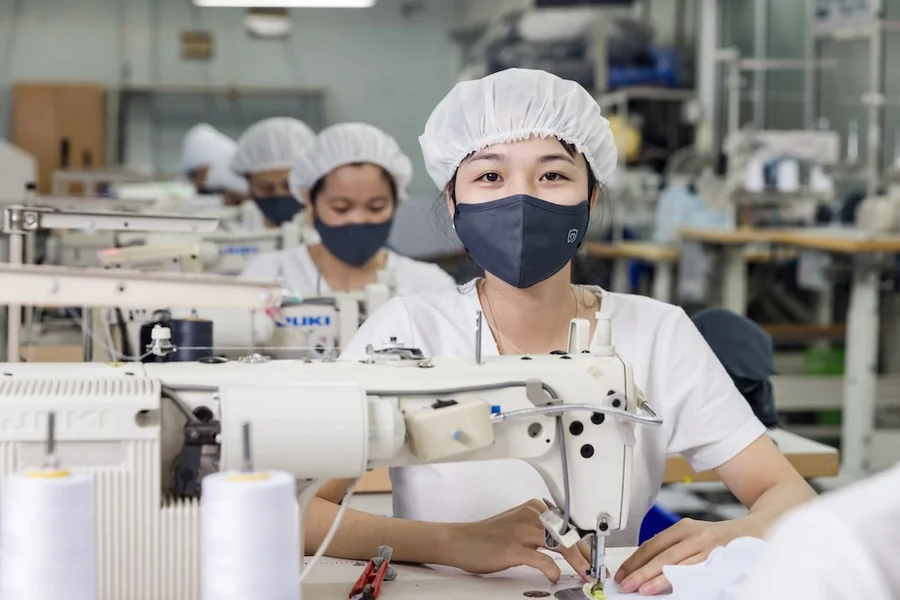
Certifications like WRAP or SA8000 prove that the people making the leggings are working in safe, fair conditions and that the factory operates responsibly
On top of that, a responsible manufacturer keeps up with the bigger picture. ESG isn’t some distant concept anymore with European regulations and initiatives influencing the global fashion industry, it’s something brands need to understand. A good manufacturer knows these rules and the challenges brands face, from environmental impact to sustainability reporting. By continuously learning and sharing ESG knowledge, they can help brands make smart, responsible choices and build products that are truly sustainable, with confidence.
In conclusion, making sustainable leggings isn’t just about the fabric, it’s about taking care of the whole process. From responsible sourcing and fair factories to eco-friendly packaging, every choice matters. With the right partner – whether a specialized legging manufacturer or, for other product categories, a trusted hoodie manufacturer – brands can build sustainable activewear that feels good, performs well, and aligns with their environmental and social values.