
How Walking Boots Support Long Distance Hiking
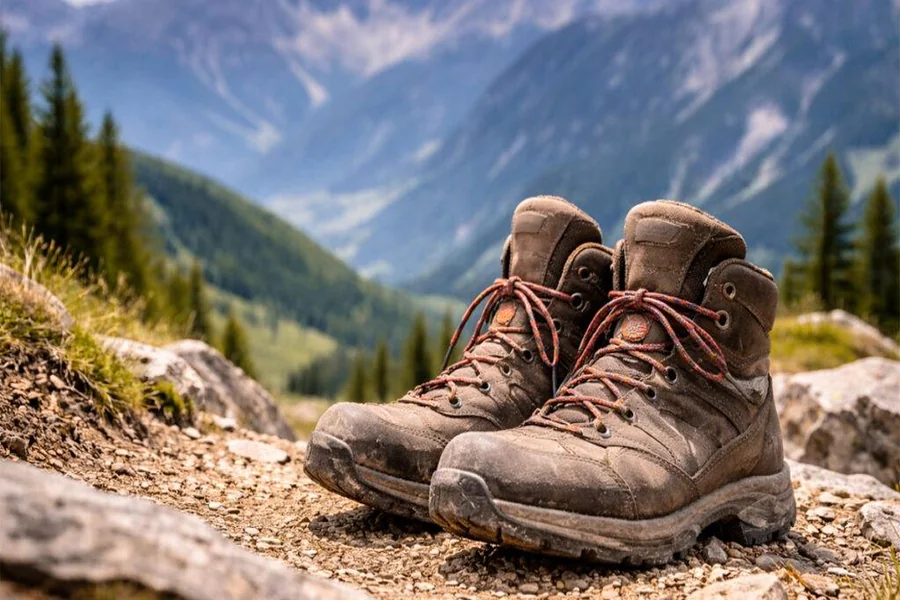
When embarking on a long-distance hike, the choice of footwear can significantly impact your overall experience. The right walking boots provide the essential support needed to tackle various terrains and withstand the rigours of extended journeys. Among the options available, Scarpa boots are renowned for their durability and comfort, making them a popular choice for avid hikers. Understanding how walking boots contribute to a successful long-distance trek is crucial for anyone preparing to explore the great outdoors.
Enhanced Foot and Ankle Support
Walking boots are designed to offer substantial support to the feet and ankles, which is vital during long-distance hiking. The high-collar design helps prevent ankle injuries by providing stability and reducing the risk of twists and sprains. This feature is particularly beneficial when navigating uneven surfaces, rocky paths, or steep slopes. Moreover, the robust construction of quality walking boots ensures adequate support for the arches, helping to distribute weight evenly and reduce fatigue.
Improved Traction and Grip
One of the primary functions of a walking boot is to provide excellent traction on a variety of surfaces. The sole of a good hiking boot is engineered to enhance grip, preventing slips and falls on wet or slippery terrain. The lug pattern on the sole acts like a tread on a tyre, channelling mud and debris away from contact areas, thus ensuring a stable footing. For long-distance hikes that might take you through varying conditions, from muddy trails to rocky scrambles, a boot with optimal traction is indispensable.
Durability and Weather Resistance
Durability is a critical factor when selecting walking boots for long-distance hiking. High-quality materials and construction techniques ensure that boots can withstand the repeated impact and stress of extended hiking trips. Additionally, weather resistance is essential for keeping your feet dry and comfortable. Most walking boots are equipped with waterproof membranes or treated with water-repellent substances, keeping moisture out while allowing perspiration to escape. This feature is especially important in maintaining comfort and preventing issues like blisters, which can arise from prolonged exposure to wet environments.
Cushioning and Shock Absorption
Cushioning is another key consideration in walking boots, particularly for long-distance trekking where repetitive impact is inevitable. Quality hiking boots come equipped with cushioning systems within the midsole that absorb shock and minimize impact on joints. This not only aids in reducing foot fatigue but also protects knees and hips from the cumulative pressure of long walks. The extra cushioning can be a godsend on those multi-day hikes, making each step a little easier on the body.
Customisable Fit for Maximum Comfort
A comfortable fit is crucial in walking boots to prevent discomfort and injuries. Many modern hiking boots boast features that allow for a customised fit, such as adjustable lacing systems and moulded footbeds. This adaptability is key to dealing with the minor swelling that occurs during long hikes, ensuring boots remain snug without becoming tight. Some boots even allow for orthotic inserts, offering hikers the option to tailor the support according to specific needs.
In conclusion, the role of walking boots in supporting long-distance hiking is multi-faceted and significant. From offering support and stability to ensuring comfort and protection from the elements, the right pair of boots can make a substantial difference in the outcome of a hiking adventure. Investing in a quality pair, with features such as durability, grip, cushioning, and customisability, is essential for anyone serious about tackling long-distance trails.
Ben Austin is the founder and CEO of Absolute Digital Media, a UK-based SEO and digital marketing agency established in 2008. The agency specialises in regulated industries including iGaming SEO, financial services, legal, and healthcare, and has accumulated over 175 industry awards. Ben has 17 years of hands-on experience in technical SEO, link acquisition, and search strategy for compliance-sensitive sectors. He writes on organic search, AI-driven visibility, and LLM citation optimisation.