
What Bikepackers Should Know Before Buying Tents For The Road
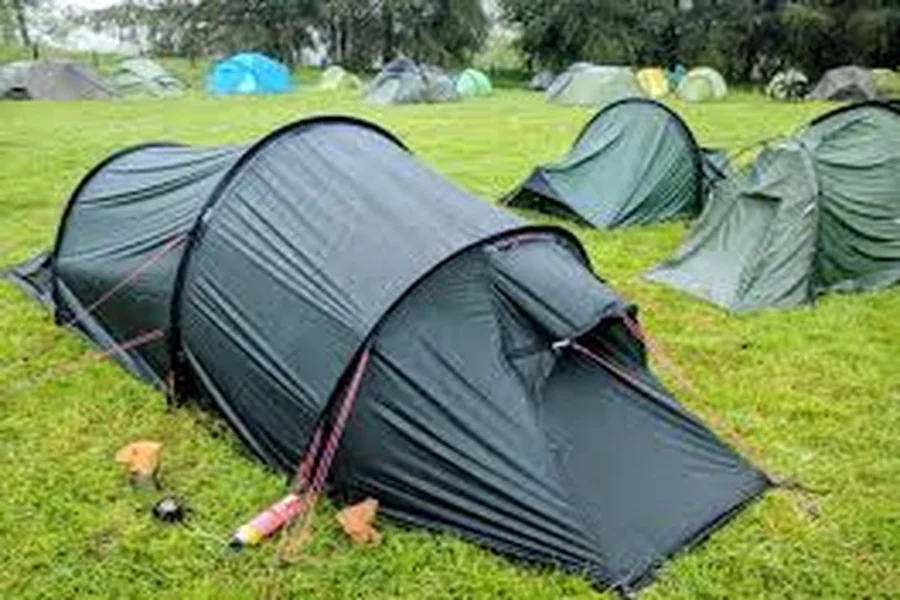
A bikepacking tent shapes the feel of every stop, from a quick rest near a pine stand to a quiet night near an open field. Space matters, yet pack size matters just as much, since every item has to sit well on the bike and stay steady over rough ground. A good road shelter should feel easy to carry, quick to pitch, and calm in mixed weather. That balance turns camp setup into a smooth part of the ride instead of a chore at dusk.
Many riders start the search after seeing compact models such as Sea to Summit tents. The smart move is to look at pole length, packed shape, livable room, and weather handling in real road conditions. A tent that looks neat in a shop can feel awkward once it meets wet grass, wind, and a loaded frame bag. Clear priorities make the whole search simpler and far more useful.
Think About Packed Shape First
Bikepackers rarely carry gear in one huge bag, so tent shape matters as much as tent weight. A short, tidy pack slides into a handlebar roll or seat pack more easily than a long, rigid bundle. That small detail can save a lot of hassle at the start and end of each day.
Pole sections deserve a close look here, since long poles can limit storage choices. A compact shelter with shorter segments gives a rider more freedom across the bike. It also helps keep the load neat and balanced, which makes the ride feel smoother on gravel and broken pavement.
Weight Matters, But Balance Matters More
A light tent sounds great on paper, yet bikepacking asks for smart weight placement too. A shelter that sits awkwardly on the bars can affect steering, especially on narrow trails or rough descents. Riders get better results when they judge total carry feel instead of chasing the lowest number on a tag.
Fabric weight, pole material, and peg count all shape the feel. A slightly heavier tent with a cleaner pack layout can suit the road better than an ultralight option with a bulky form. In practical use, comfort on the bike can matter just as much as comfort at camp.
Check Interior Space For Real Sleep
Floor length and headroom deserve more attention than many riders expect. After a full day in the saddle, a cramped shelter can make rest feel shallow and stiff. A tent should leave enough room for a sleeping pad, a bag, and a little personal gear without turning the floor into a puzzle.
Door placement also changes how usable the space feels. A side door can make entry simpler in tight camps, while a well-shaped vestibule keeps shoes and wet kit out of the sleeping area. Those details sound small, yet they can make camp life feel calm and easy.
Weather Protection Should Match The Route
Road travel can cross warm valleys, cool passes, damp forests, and exposed ground in a short span. That means tent fabric, fly coverage, and ventilation need careful attention. A shelter should block rain well while still letting air move through the inner space.
Guy points and peg options matter too, especially on mixed surfaces. Some camps offer soft soil, while others give gravel, hard dirt, or compact ground near a roadside stop. A tent with flexible setup options handles those places with less fuss and keeps the night more settled.
Fast Setup Helps At The End Of The Day
Bikepackers usually reach camp tired, hungry, and ready to rest. A tent with a clear, quick pitch can make that part of the evening feel easy instead of messy. Simple pole paths, intuitive clips, and a stable shape all help when light starts to fade.
Freestanding designs can help on awkward ground, yet semi-freestanding shelters can also work well with the right layout. What matters most is how easily the tent goes up after many hours on the road. A smooth setup routine leaves more time for food, a wash, and sleep.
Durability Counts On Repeated Trips
Bikepacking gear faces a rough life through dust, sun, packed bags, and frequent setup. Tent floors need enough strength for mixed ground, and zippers need a clean, sturdy feel. Small weak points can grow into real annoyances once the trip stretches across several nights.
Repair potential matters too. A shelter with replaceable parts, patch-friendly fabric, and sensible construction gives a rider more value over many trips. Road gear earns its place through steady use, so durability should sit near the top of the checklist.
A smart tent choice can make every stop feel easier, calmer, and more enjoyable. Bikepackers get the best results when they judge packed size, ride balance, interior comfort, and weather handling as one complete package. Options like Sea to Summit tents give attention to small details, such as pole length and vestibule shape. These can shape the whole trip in a very real way. A good tent should fit the bike, the route, and the rider’s sleep needs with ease.