

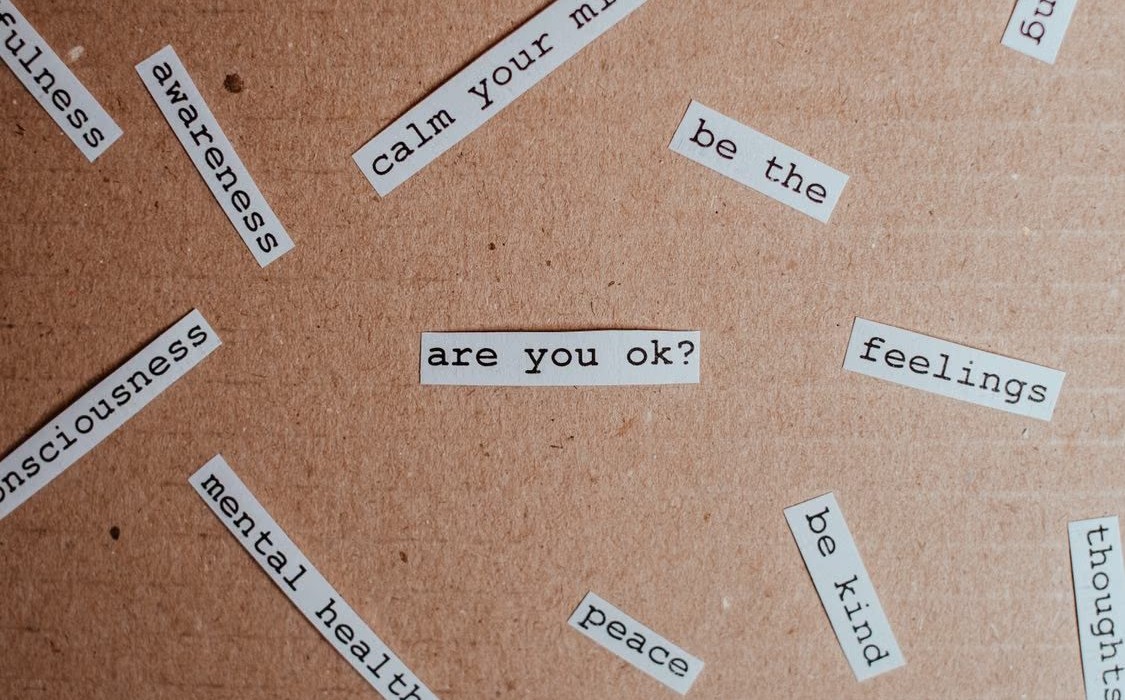
When people think about staying healthy, they often focus on exercise, nutrition, and regular medical checkups. While these habits are important, mental health deserves equal attention. Emotional well-being influences how people think, manage stress, maintain relationships, and handle everyday responsibilities. Ignoring psychological needs can affect both personal happiness and physical health.
Taking care of your mental health does not mean feeling positive all the time. It means recognizing emotional changes, developing healthy coping strategies, and seeking support when necessary. Understanding the connection between mental and physical well-being can help people make more informed decisions about their overall health.
Understanding the Importance of Mental Health
Mental health includes emotional, psychological, and social well-being. It influences how individuals respond to challenges, communicate with others, and make decisions. Just as physical health can change over time, mental well-being can fluctuate because of personal experiences, environmental pressures, and biological factors.
Developing mental health awareness begins with understanding common conditions and recognizing how symptoms may affect everyday life. Terms such as anxiety, depression, chronic stress, and emotional distress are often used in conversations, but their meanings can sometimes be misunderstood.
Learning these distinctions can make it easier to recognize concerns and communicate with healthcare professionals. This guide to mental health terminology provides clear explanations of common mental health conditions, symptoms, and treatment approaches. It helps readers better understand mental well-being and communicate their concerns more confidently with healthcare professionals.
How Mental Well-Being Influences Physical Health
Mental and physical health are closely connected, with changes in either area potentially influencing the other. Prolonged psychological stress can contribute to headaches, muscle tension, digestive discomfort, and sleep disturbances.
Similarly, chronic physical conditions may increase emotional strain, particularly when symptoms interfere with independence or daily activities. Managing ongoing discomfort or uncertainty about health can affect mood and motivation.
This relationship highlights why healthcare should address both emotional and physical needs. Someone experiencing persistent fatigue, for example, may benefit from an evaluation that considers sleep, medical conditions, lifestyle habits, and psychological well-being.
Recognizing these connections helps individuals avoid overlooking important symptoms and encourages a more comprehensive approach to personal health.
How Mental Health Influences Everyday Activities
Emotional well-being plays an important role in concentration, decision-making, motivation, and productivity. When mental health is under strain, ordinary responsibilities may begin to feel overwhelming.
Persistent worry can make it difficult to concentrate, while low mood may reduce interest in activities that previously felt enjoyable. Emotional exhaustion can also affect patience, communication, and the ability to manage competing responsibilities.
These experiences do not automatically indicate a mental health disorder. However, noticeable changes that persist or interfere with daily functioning deserve attention.
Maintaining regular routines, allowing time for rest, and discussing concerns with trusted individuals can provide useful support. Recognizing personal limits also helps prevent everyday pressures from becoming unnecessarily overwhelming.
Why Managing Stress Is Essential for Well-Being
Stress is a natural reaction that occurs when people face difficult or demanding circumstances. Short periods of stress may encourage alertness and problem-solving, but prolonged stress can negatively affect emotional and overall physical health.
Ongoing pressure may contribute to irritability, difficulty sleeping, fatigue, and reduced concentration. Some individuals also experience changes in appetite or increased muscle tension.
Healthy stress management involves identifying triggers and developing practical responses. Physical activity, relaxation exercises, manageable schedules, and regular breaks can help reduce tension.
Setting realistic expectations is equally important. Trying to meet every demand without adequate rest can contribute to exhaustion.
When stress becomes difficult to manage or begins interfering with everyday life, speaking with a qualified healthcare professional can help identify appropriate coping strategies and support.
The Role of Sleep and Physical Activity in Mental Wellness
Sleep and movement support both physical and psychological health. Consistent, restorative sleep helps regulate emotions, maintain concentration, and support memory.
Insufficient sleep can increase irritability and make everyday challenges feel more difficult. Establishing a regular bedtime, reducing late-night screen use, and creating a comfortable sleeping environment may improve sleep quality.
Physical activity also contributes to mental well-being. Walking, cycling, swimming, and other enjoyable forms of movement can help reduce stress and improve mood.
Exercise does not need to involve intense workouts. Even moderate activity incorporated into everyday routines can offer benefits.
Combining healthy sleep habits with regular movement creates a stronger foundation for overall wellness. However, lifestyle changes should complement, rather than replace, professional treatment when a mental health condition requires care.
How Healthy Relationships Support Emotional Well-Being
Positive relationships provide opportunities for emotional connection, encouragement, and practical support. Having trusted people to speak with can make challenging experiences easier to manage.
Social connections may also reduce feelings of loneliness and create a greater sense of belonging. Spending time with friends, maintaining family relationships, and participating in community activities can support emotional wellness.
Healthy communication is especially important. Expressing concerns respectfully, listening without judgment, and recognizing personal boundaries help strengthen relationships.
However, meaningful connections require balance. Individuals should feel comfortable setting limits and making time for their own needs.
Recognizing When Professional Support May Be Needed
Everyone experiences occasional sadness, worry, or emotional exhaustion. However, persistent symptoms that disrupt everyday life may indicate a need for professional evaluation.
Warning signs can include ongoing sadness, excessive anxiety, significant sleep changes, difficulty concentrating, withdrawal from social activities, or losing interest in previously enjoyable experiences.
A qualified mental health professional can assess symptoms, consider possible causes, and recommend appropriate care.
Depending on individual circumstances, treatment may involve psychotherapy, medication, lifestyle adjustments, or a combination of approaches. Early conversations with healthcare providers can help individuals understand their experiences and explore suitable options before difficulties become more disruptive.
Building a Balanced Approach to Long-Term Health
Maintaining mental wellness requires consistent attention rather than occasional efforts during difficult periods. Small, sustainable habits can make emotional well-being a regular part of everyday healthcare.
Creating realistic routines, staying physically active, maintaining social connections, and allowing adequate rest can support overall health. Regularly checking in with your emotions also helps identify changes that deserve attention.
It is equally important to avoid expecting constant happiness or productivity. Emotional fluctuations are a normal part of life, and responding to them with patience can encourage healthier coping habits.
Mental healthcare and physical healthcare should work together. Regular medical appointments, appropriate psychological support, and healthy lifestyle choices all contribute to long-term well-being.
Giving emotional well-being the same consideration as physical fitness helps create a more complete and sustainable approach to living well.