
Why Durability and Reparability is Becoming More and More Important for Athletic Apparel Production
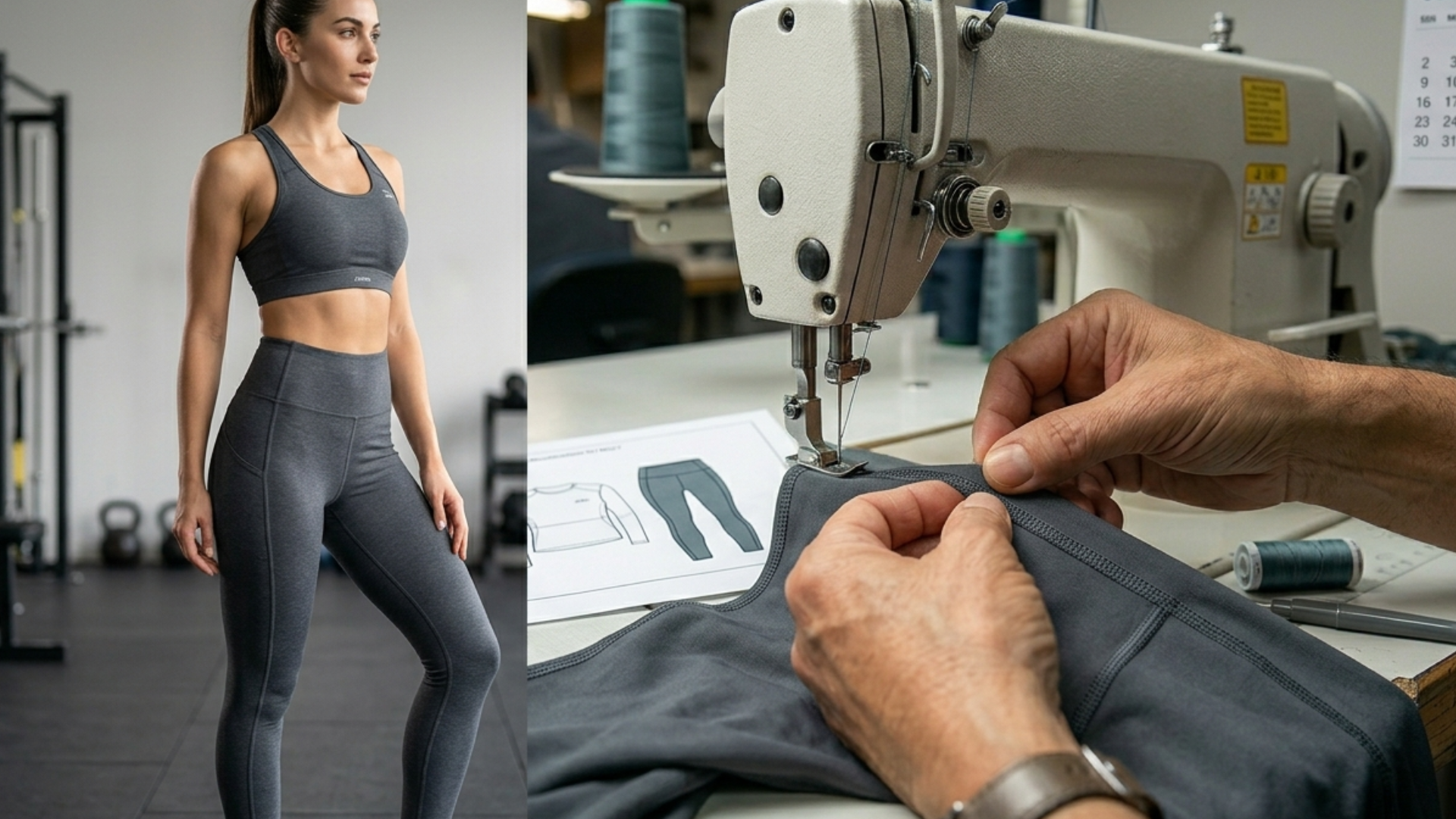
As the athletic apparel industry evolves, sustainability is no longer defined only by how a product is made, but by how long it lasts and how well it can be repaired. With increasing regulatory pressure in markets like the European Union, durability and reparability are becoming key expectations, not just from consumers, but from compliance requirements as well. For brands and manufacturers, this shift means rethinking product design and production to create garments that are built for extended use, easier to maintain, and aligned with a more circular approach to apparel.
Durability: Built for Long-Term Use
In athletic apparel, durability goes beyond simply making garments strong, it means designing products that can withstand repeated movement, stretching, washing, and wear while still maintaining their performance and appearance over time. As activewear is used more frequently and in more demanding conditions, durability has become a key factor in both product quality and regulatory expectations. For a legging manufacturer, durability is especially important because leggings are subjected to constant stretching, friction, and repeated washing throughout their lifecycle.
Achieving durability starts at the material level. Manufacturers must carefully select fibers and yarns that are known for their longevity, such as long-staple cotton, compact-spun yarns, Merino blends, high-tenacity synthetics, and abrasion-resistant cellulosic fibers. These materials provide a strong foundation, helping garments resist pilling, deformation, and fiber breakdown during use.
Beyond materials, fabric construction plays a critical role. Tighter knitting or weaving structures, along with performance finishes such as anti-pilling or abrasion resistance treatments, can significantly enhance fabric stability and lifespan. These technical improvements ensure that garments retain their shape, strength, and look even after multiple cycles of wear and washing.
Durability is also reinforced through construction and workmanship. Details such as bartacks at stress points, reinforced seams, double-layer collars or cuffs, and high-quality trims like rust-proof snaps and durable zippers all contribute to extending the life of the garment. These elements reduce the risk of failure in high-stress areas, especially in performance-driven apparel.
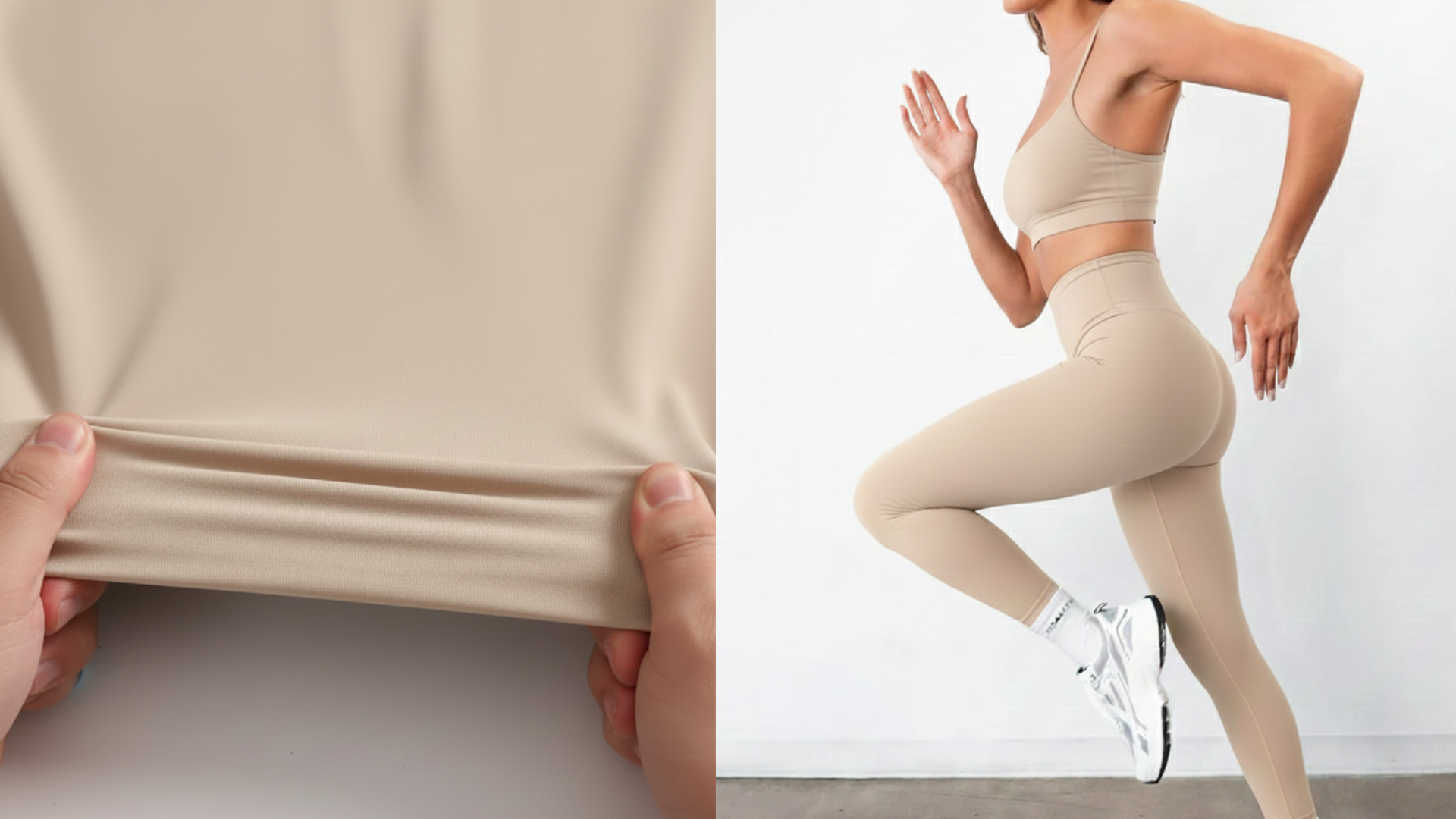
Achieving durability starts at the material level
Reparability: Designed for Repair and Adaptation
Reparability in athletic apparel means designing garments so they can be easily opened, repaired, and restored without damaging the overall structure. As activewear is used frequently and often under high stress, the ability to extend a garment’s life through repair is becoming just as important as its initial performance. For an athletic clothing manufacturer, reparability is increasingly viewed as an important design consideration that supports product longevity, sustainability goals, and evolving consumer expectations.
To make garments truly repairable, brands and manufacturers must rethink both design and construction. This often means moving away from overly complex or permanently bonded constructions such as excessive lamination, heat-sealed seams, or multi-layer structures that make repairs difficult or impossible. Instead, designs should prioritize accessibility and simplicity, allowing components to be opened, re-stitched, or replaced when needed.
A key part of reparability is the use of replaceable components. Elements like zippers, buttons, and trims should be standardized and easy to source, while stitching lines and seam structures should be designed to allow rework. This modular approach enables garments to be maintained over time without requiring full replacement.
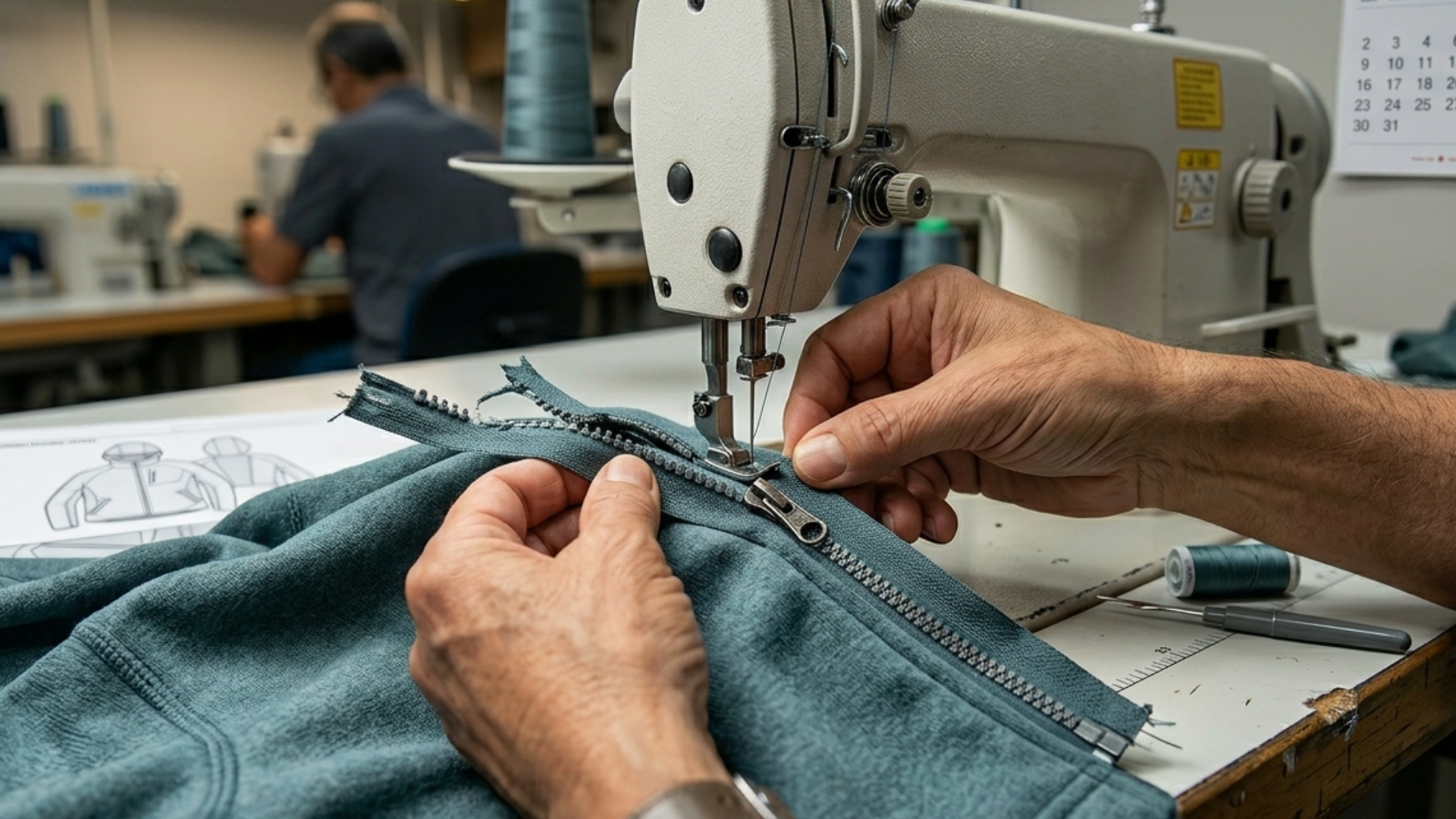
Reparability in athletic apparel means designing garments so they can be easily opened, repaired, and restored without damaging the overall structure
Manufacturers also play a critical role by adopting construction methods that support repairability. For example, using stitch-based seams instead of fully bonded seams, or choosing construction techniques that can be reopened and resewn, helps ensure garments remain serviceable. At the same time, reducing unnecessary decorative complexity allows for cleaner pattern design and easier access during repair.
In addition, brands are increasingly expected to support repair at the consumer level. This can include providing spare parts such as extra buttons or zipper sliders, offering repair kits, or supplying clear repair instructions. Under emerging transparency requirements, some brands may also need to provide technical documentation or collaborate with repair service networks to support end-of-life product management.
Why It’s Becoming More Important
Durability and reparability are becoming increasingly important as the apparel industry shifts toward more responsible and circular practices. Consumers are no longer looking for garments that are simply functional or stylish; they expect products that last longer, can be maintained over time, and reduce overall waste. At the same time, brands are under growing pressure to improve product quality, extend product lifecycles, and minimize environmental impact throughout the entire value chain.
This change is also driven by a broader transformation in how value is defined in apparel. Instead of a “take, make, dispose” model, the industry is moving toward a system where products are designed to stay in use longer, be repaired when needed, and retain value even after extended wear. As a result, durability and reparability are no longer just design features; they are becoming key drivers of competitiveness, sustainability, and long-term business resilience.
In addition, regulatory frameworks are accelerating this shift, especially in the European Union. Initiatives such as the Ecodesign for Sustainable Products Regulation (ESPR) are placing greater emphasis on product longevity, repairability, and circularity. Under these regulations, brands may be required to provide more transparency about product lifespan, repair options, and environmental impact.
A key development is the introduction of the Digital Product Passport (DPP), which is expected to become a central tool in the EU. The DPP will store and provide access to detailed information about a product’s materials, durability, repair instructions, and end-of-life handling. This creates greater traceability across the lifecycle of a garment and encourages brands to design products that are easier to repair, reuse, and recycle.